



Being told that you are not a candidate for an refractive surgery with laser may sound like the end of the road. But, in many cases, it just means that your eye needs another strategy: one that doesn't thin the cornea and allows you to correct high prescriptions accurately.
The ICL phakic lenses are an alternative for patients with high myopia, thin cornea, dry eye or anatomies that make LASIK, SMILE or PRK not the safest option. They are implanted inside the eye, behind the iris and in front of the natural lens, without replacing it.
In this article we explain when laser is ruled out, what ICLs provide, what tests are needed before deciding and what to expect if you are considering non-laser refractive surgery in Marbella.
Why lasers are not for everyone
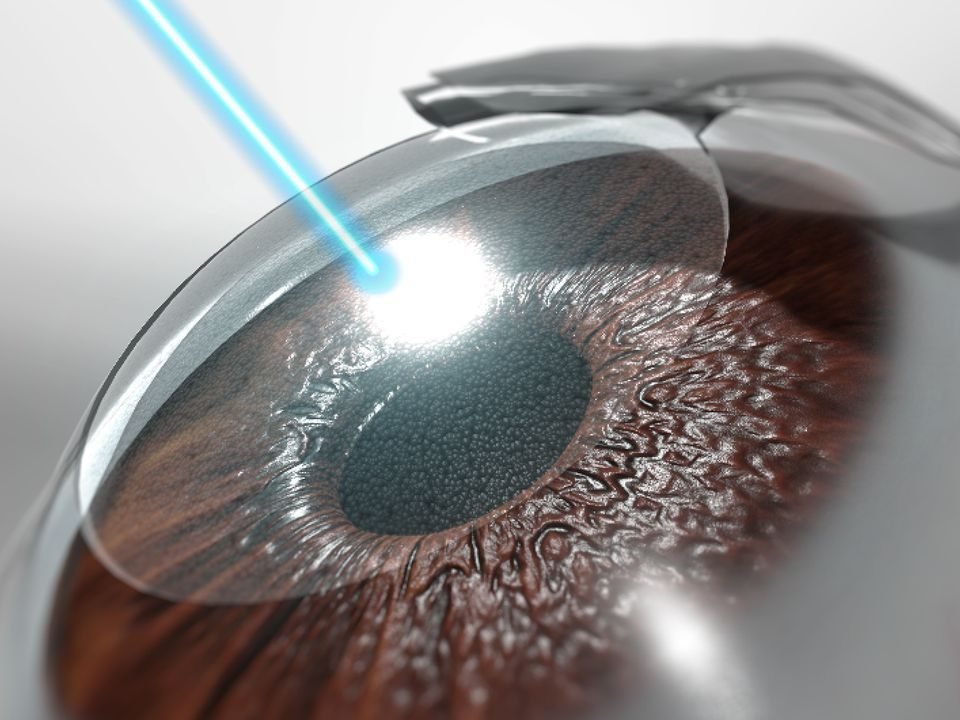
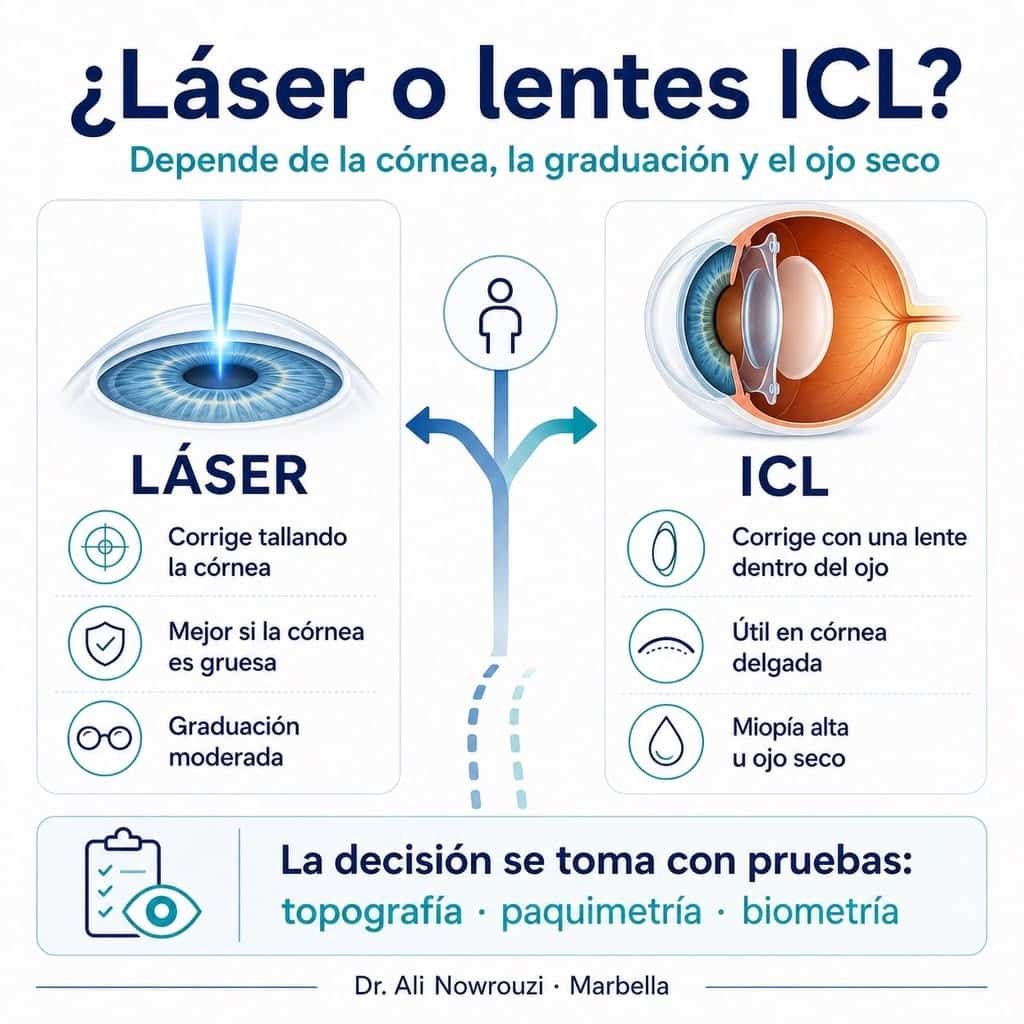
Laser surgery modifies the corneal curvature by removing tissue. It is an effective technique when the eye meets safety criteria, but not all corneas or all prescriptions allow it to be done with sufficient margin.
Common reasons for ruling out LASIK, SMILE or PRK
- Thin cornea: if the corneal reserve is insufficient, removing tissue may increase the risk of corneal ectasia. Tests such as the corneal pachymetry and the corneal topography help to measure that risk.
- High myopia: in high prescriptions, especially above -8 or -10 dioptres, the amount of tissue that needs to be removed may be excessive. If this is the case for you, you can also read about the myopia operation in Marbella.
- High or combined astigmatism: Some profiles require more complex planning. Toric ICLs can correct myopia and astigmatism in the same procedure when the anatomy permits.
- Moderate or severe dry eye: LASIK may temporarily worsen dry eye. In patients with previous symptoms, the ocular surface should be examined first. For more background information, see our article on dry eye after refractive surgery.
- Large pupil or poor night vision: an insufficient optical zone in relation to the pupillary diameter can lead to halos and night glare.
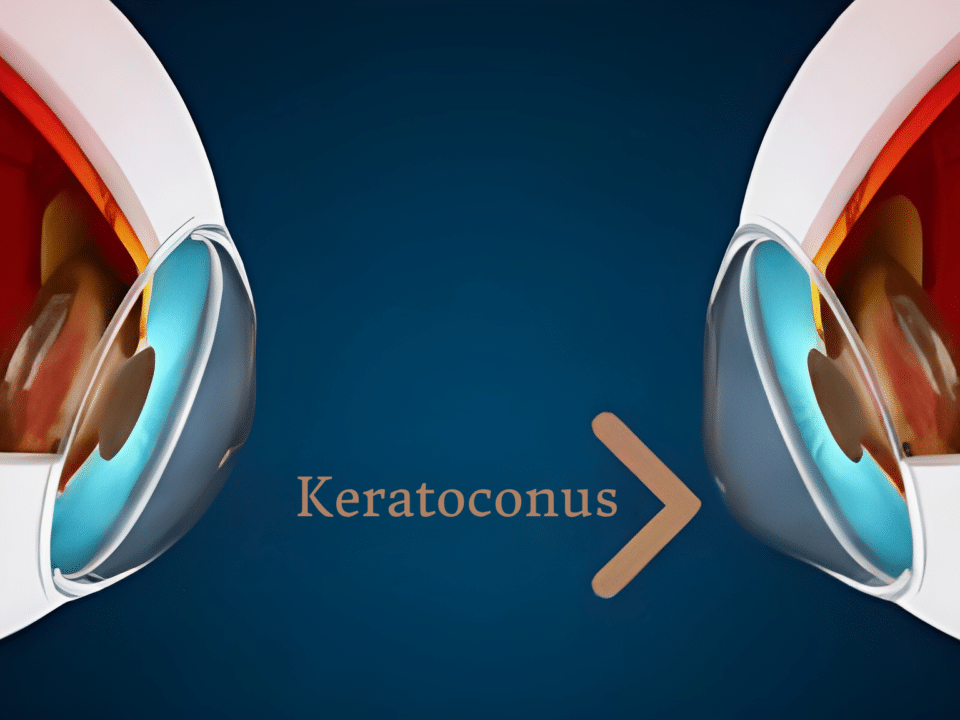
- Keratoconus or suspected corneal irregularity: if the shape of the cornea is not stable, laser is usually ruled out. You can find more information at what is keratoconus.
In all these scenarios, the important message is this: not being a laser candidate does not mean not being able to reduce dependence on glasses or contact lenses.. It means that another technique needs to be considered.
What are ICL phakic lenses
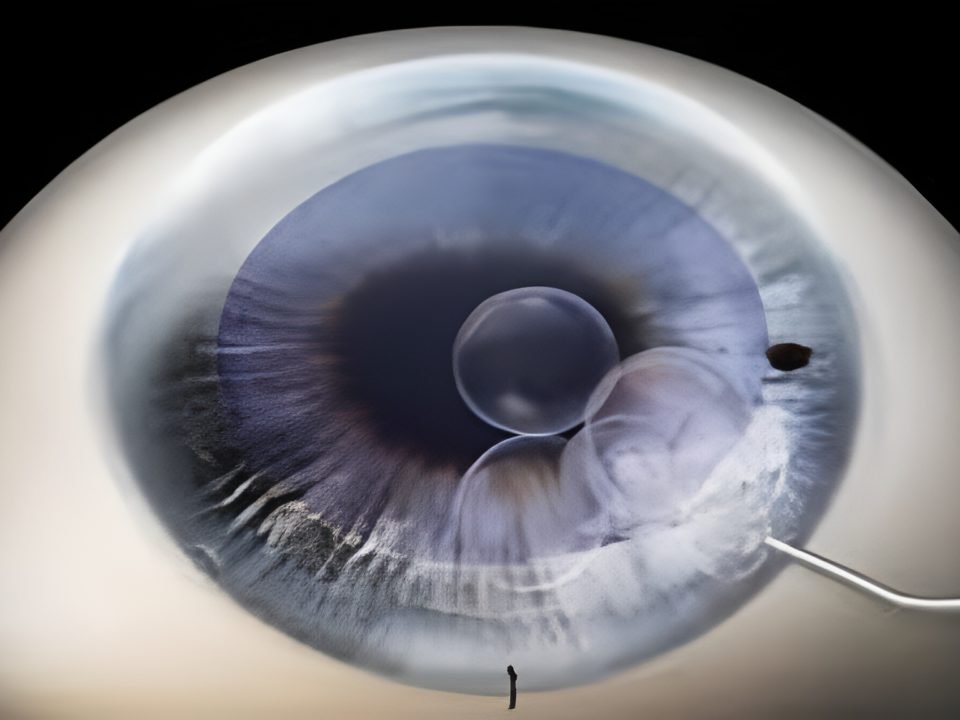
ICLs are very thin intraocular lenses that are implanted inside the eye without removing the natural lens. This is why they are called “phakic”: the natural crystalline lens is preserved. The lens is placed behind the iris and is not visible from the outside.
Unlike the cataract surgery, where the crystalline lens is replaced by an intraocular lens, the ICL acts as an additional lens. It corrects the prescription from inside the eye, without removing corneal tissue.
STAAR Surgical's EVO/EVO+ ICL platform is made of Collamer, a biocompatible material. The FDA approved EVO/EVO+ Visian ICL in 2022 for myopia and myopic astigmatism, and the manufacturer describes EVO+ as a version with enlarged optics for profiles with larger pupils (see STAAR's information on EVO+ ICL).
What LCIs correct
According to the FDA indication for EVO Visian ICL, the lens can correct myopia from -3.0 to -20.0 dioptres and myopic astigmatism with cylinder from 1.0 to 4.0 dioptres in patients who meet specific anatomical criteria, such as sufficient anterior chamber depth and refractive stability. In Europe, the exact indication and the chosen model must be confirmed during the medical assessment.
Who is usually a good candidate for ICL
ICLs are not simply “the second choice” when laser cannot be done. In some eyes they are the most logical choice from the outset, because they preserve the cornea and maintain more surgical flexibility in the future.
- People with high or very high myopia.
- Patients with thin cornea or fair stromal reserve.
- Patients with dry eye in whom aggravation of the ocular surface should be avoided.
- People with wide pupils and concerns about night halos.
- Young patients with a stable prescription and a clear lens.
- People who prefer a potentially reversible technique to a permanent corneal modification.
Age also matters. In patients with presbyopia advanced or initially changed lens, it may make more sense to consider other options, such as refractive lens exchange or refractive lens intraocular lenses premium. That is why there is no universal answer without exploration.
ICL and presbyopia: what happens if you are over 40?
ICL lenses mainly correct distance vision: myopia, hyperopia and astigmatism depending on the model. They do not by themselves eliminate presbyopia, which depends on the loss of flexibility of the crystalline lens.
If you are between 40 and 45 years old and still have good near vision, an ICL may still be an option. If presbyopia already affects your daily life, it is worth comparing the ICL with alternatives that also treat near vision. Age, prescription, lens condition and your visual priorities all play a part in this decision.
The big difference compared to laser: preserving the cornea
The refractive laser permanently modifies the cornea. The ICL, on the other hand, does not carve corneal tissue. In addition, it can be removed or replaced if there is a medical reason to do so in the future.
This does not mean that it is implanted with a view to removal: the lens is designed to remain in place for the long term. But the possibility of explantation provides room for manoeuvre, especially in young patients with many decades of visual life ahead of them.
What ICL surgery is like
1. Pre-operative study
A full assessment is carried out before an ICL is indicated. It usually includes ocular biometry, corneal topography or tomography, pachymetry, anterior chamber measurement, intraocular pressure, endothelial study and stable graduation. These ocular diagnostic tests allow a precise choice of lens size and power.
2. Intervention
The surgery is usually performed under topical anaesthesia, using a microincision. The lens is inserted folded and unfolded inside the eye, behind the iris. The procedure is quick, although the exact time depends on each case and whether both eyes are operated on in one or several sessions.
3. Recovery
Many patients notice visual improvement within the first few hours or the next day. During the first few weeks, eye drops are used and check-ups are scheduled to monitor intraocular pressure, lens position and visual recovery.
ICL vs laser: quick comparison
| Aspect | Refractive laser | ICL phakic lenses |
|---|---|---|
| Modified fabric | Cornea | Does not remove corneal tissue |
| Reversibility | Non-reversible | Potentially reversible |
| High myopia | Limited by corneal thickness | Particularly useful in high graduations |
| Thin cornea | May contraindicate laser | Can be an alternative if the previous chamber allows it |
| Dry eye | May temporarily worsen | Less impact on corneal nerves |
| Future cataracts | The cornea is already modified | ICL can be removed before cataract surgery |
What the clinical evidence says
The published evidence on EVO ICL shows favourable visual outcomes in selected patients. The FDA approval information describes its use for myopia and myopic astigmatism within defined ranges, always with specific anatomical and refractive criteria. STAAR Surgical also reported in 2026 an age indication extension in the US to 60 years for EVO/EVO+ Visian ICL, with three-year safety follow-up in its clinical trial (STAAR communiqué, 17 February 2026).
As with any eye surgery, the results depend on a good indication, accurate measurements and postoperative follow-up. An ICL is not decided by the prescription alone: it is decided by the combination of prescription, cornea, anterior chamber, endothelium, intraocular pressure and patient expectations.
Frequently asked questions about ICL phakic lenses
Can I have ICL if I have been told I am not a LASIK candidate?
It may be possible, especially if the reason is high myopia, thin cornea or dry eye. Even so, anterior chamber depth, endothelial count, prescription stability and absence of contraindications must be confirmed.
Is the lens noticeable or visible from the outside?
No. The ICL lies behind the iris, is not visible externally and is not felt by the patient as a contact lens.
Does ICL surgery hurt?
It is performed with anaesthesia in drops. It is usual to feel light, pressure or manipulation, but no pain. The postoperative period may include sensitivity to light or mild discomfort for the first few hours.
How long does an ICL last?
It is designed to remain in place for the long term. If cataract appears years later or the ocular situation changes, the lens can be removed within a controlled surgical plan.
Does ICL correct presbyopia?
Not directly. Corrects mainly distance vision. If you already have presbyopia, the strategy should be individualised and may include monovision, near glasses or consider other intraocular lenses.
How much does an ICL operation cost?
The price depends on the type of lens, whether astigmatism is present and the tests included. The most prudent thing to do is to give an estimate after the assessment, because not all patients need the same model or the same surgical plan.
Conclusion: a “no to laser” is not a no to refractive surgery.
If you have high myopia, a thin cornea, dry eye or an anatomy that makes lasers inadvisable, ICL phakic lenses can open up a safe and accurate alternative. The key is a thorough assessment, not deciding on prescription alone.
In the consultation of the Dr. Ali Nowrouzi in Marbella we can study your case with topography, biometry and anterior chamber analysis to tell you if you are a candidate for ICL or if there is a more suitable option for your eyes.
Medical note: This article is for information only and is not a substitute for a personalised ophthalmological examination.