

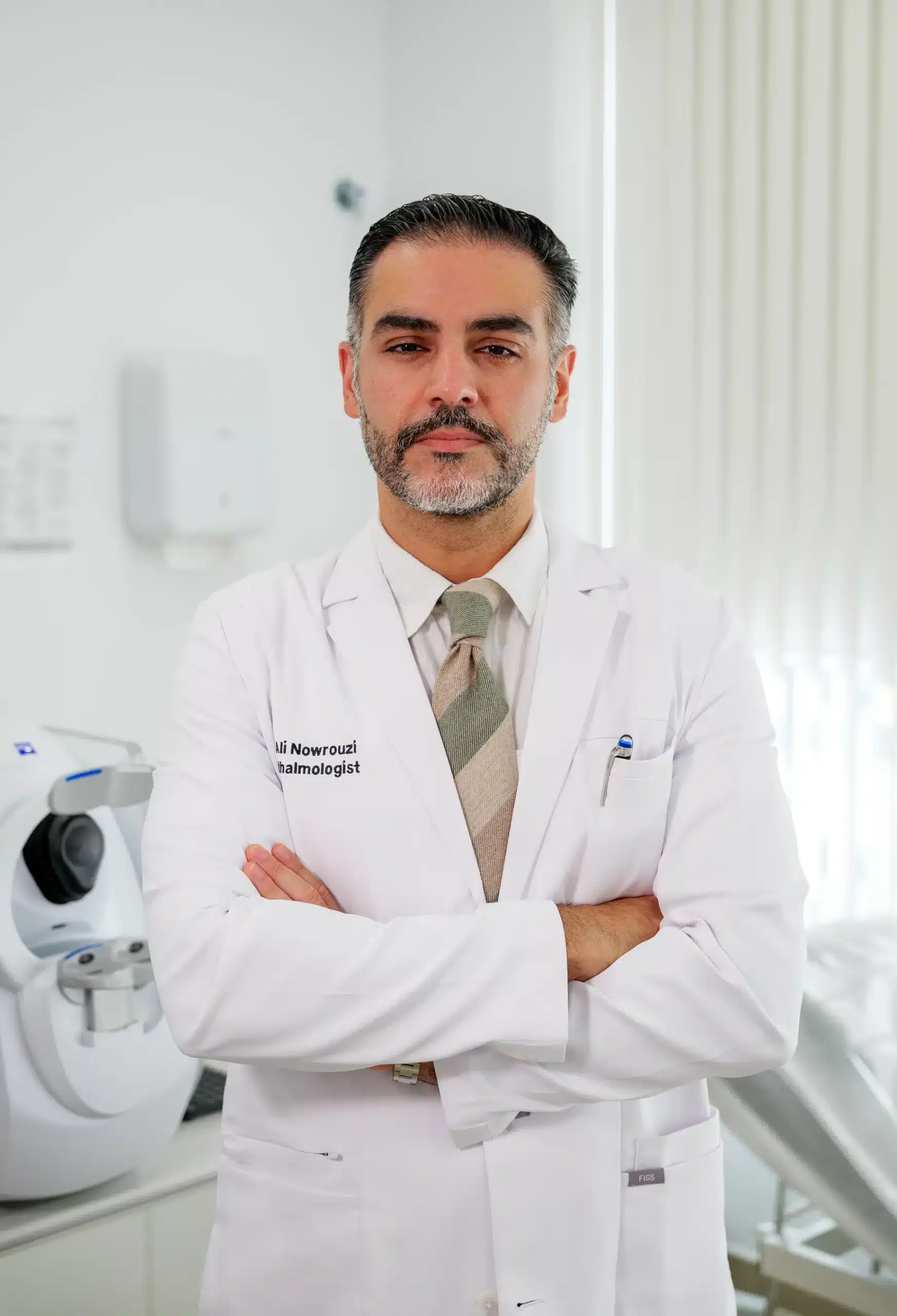
The refractive surgery is a set of procedures aimed at correcting vision problems such as myopia, hyperopia and astigmatism. Its main objective is to reduce dependence on glasses and contact lenses. The Dr. Ali Nowrouzi, leading ophthalmologist in Marbella, offers a wide range of options in refractive surgery. This article will take a closer look at the different types of techniques and the process patients go through from assessment to post-operative care.
Definition and fundamentals of refractive surgery
Refractive surgery has become a popular and effective procedure for correcting visual problems that affect acuity. Its main focus is to modify the shape of the cornea, the transparent tissue that lines the front of the eye. This change in curvature allows light to focus properly on the retina, resulting in clearer, more accurate vision.
The most common refractive defects addressed by this surgery include myopia, which causes difficulty in seeing distant objects; nearsightedness, which causes difficulty in seeing distant objects; farsightedness, which causes difficulty in seeing distant objects; and farsightedness, which usually affects near vision and, with age, also distant vision; astigmatism, which is the result of an irregular curvature of the cornea; and presbyopia, which occurs with age and affects the ability to focus on near objects.
The aim of this type of surgery is not only to eliminate dependence on glasses or contact lenses, but also to improve patients' quality of life. The evolution of medical technology has made these procedures safer and more effective, with very high success rates. When it comes to refractive surgery, it is important to go to an experienced ophthalmologist, such as Dr. Ali Nowrouzi, who offers a personalised service in Marbella.
- The refractive surgery is usually performed under local anaesthesia, which minimises any discomfort during the procedure.
- Advances in technology, such as the use of high-precision lasers, have made it easier to perform these surgeries more safely and efficiently.
- The process involves carefully assessing the patient's eye health to determine the most appropriate technique.
This type of surgery is designed so that patients can enjoy a rapid recovery and, in many cases, return to their daily activities in a short time. In the hands of the Dr. Ali Nowrouzi, You can expect a professional and compassionate approach throughout the whole process.
In a broader context, the refractive surgery has had a positive impact on the lives of many people who would otherwise be dependent on visual aids. With a very high satisfaction rate, most patients experience significant improvements in visual acuity after undergoing this procedure.
Refractive surgery is a powerful tool in the modern ophthalmology and can make a remarkable difference to the lives of those seeking freedom from the limitations of glasses or contact lenses. Today's techniques offer options tailored to different eye conditions, making it possible for more people to benefit from better vision.
Safety is paramount in these procedures. For this reason, a rigorous assessment process is carried out, looking at factors such as prescription stability and the overall health of the eye. This ensures that each patient receives the care and treatment they really need.

State-of-the-art technology in refractive surgery
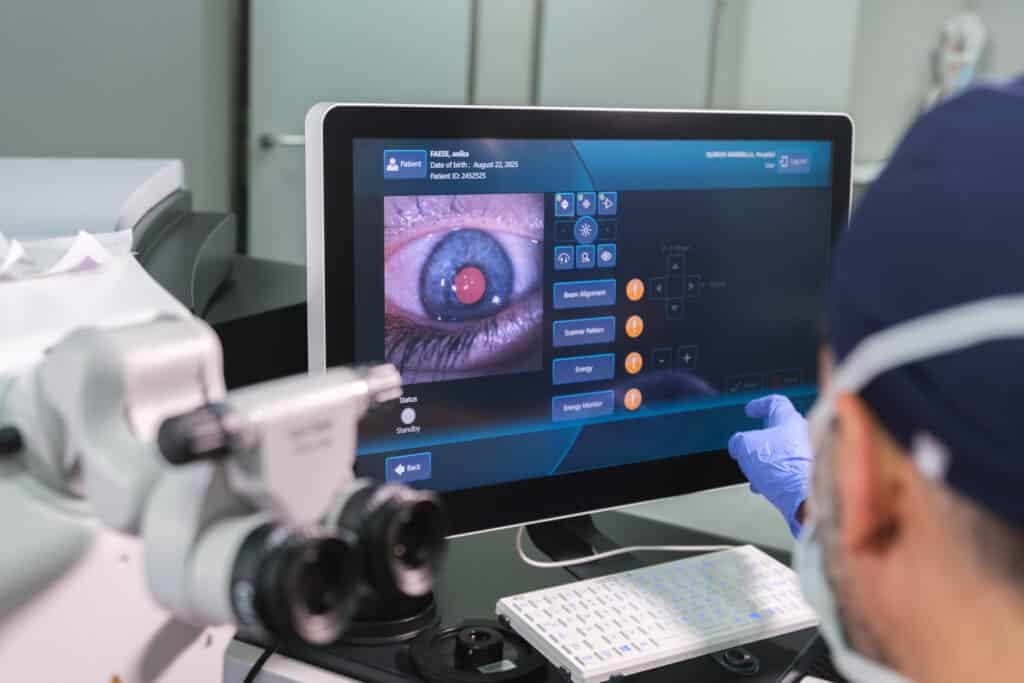
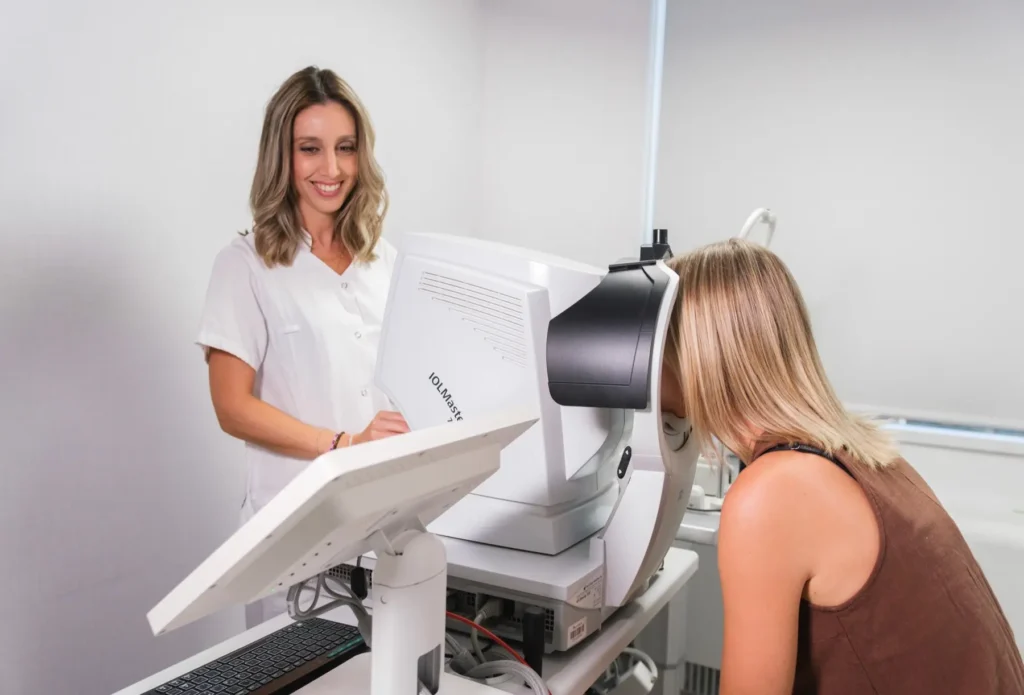
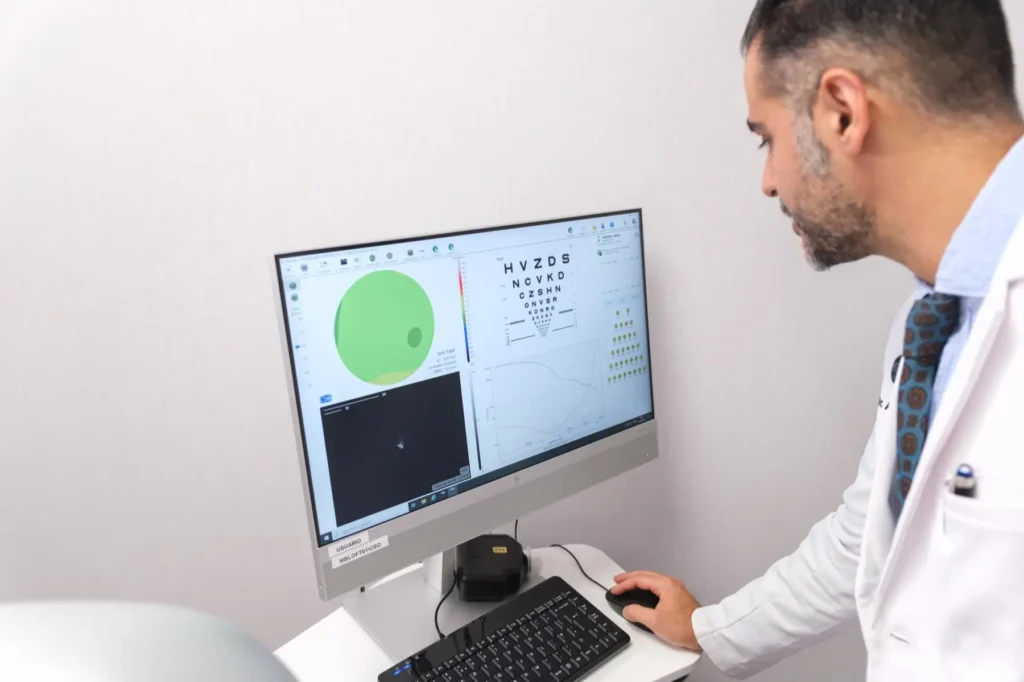
One of the most important factors in obtaining excellent results in refractive surgery is the technology used. The most advanced equipment allows a three-dimensional analysis of the eye, studying the shape of the cornea, the optical aberrations of the visual system, the corneal thickness and the quality of the ocular surface with great precision.
With this information it is possible to design a fully personalised treatment, adapted to the anatomy of each patient. Modern lasers allow aberration-guided treatment, which improves visual quality, contrast, night vision and treatment precision.
100% laser refractive surgery
A key issue for patients to be aware of is whether the centre uses 100% laser refractive surgery. Some centres still use mechanical microkeratomes, which use a blade to create the corneal flap in LASIK surgery.
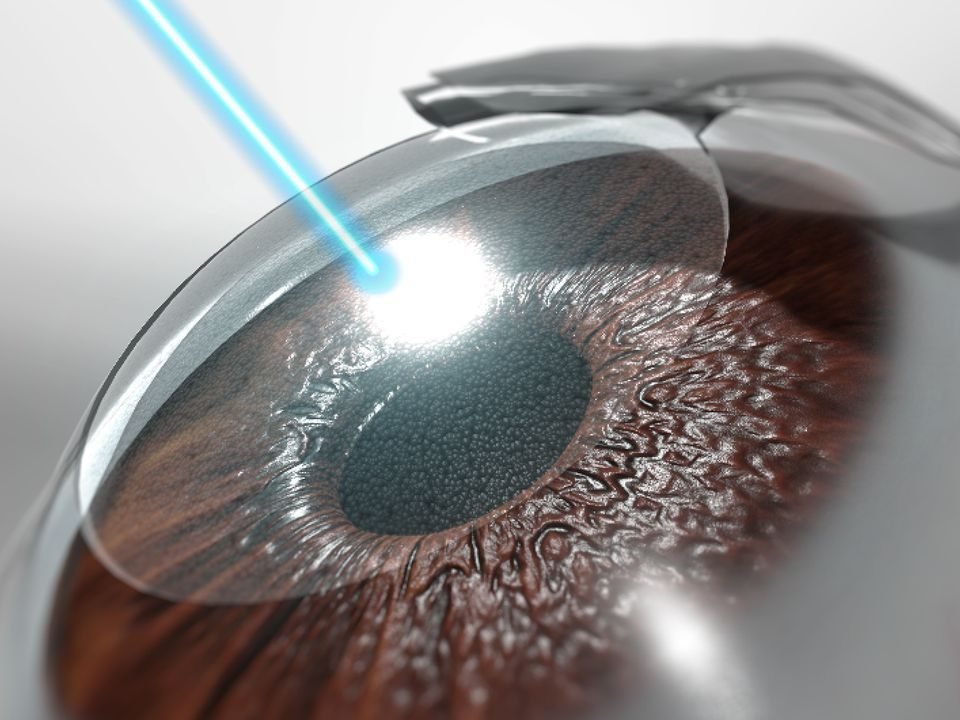
Today, the most advanced technology allows this step to be performed by femtosecond laser, which increases the precision and safety of the procedure.
The advantages of all-laser surgery include:
- increased surgical precision
- greater security
- more predictable visual results
- better targeting of treatment
Dr. Ali Nowrouzi: European specialist in refractive surgery
Dr. Ali Nowrouzi is specialist at refractive and corneal surgery in Marbella and is FEBO-CR certified (Fellow of the European Board of Ophthalmology - Cornea and Refractive Surgery), an advanced European subspecialty in refractive and corneal surgery.
This accreditation recognises specialised training in advanced vision correction procedures. Dr. Nowrouzi has pioneered the application of personalised refractive treatments guided by optical aberrations, which significantly improves the visual quality of patients.
His clinical practice is based on three fundamental pillars:
- state-of-the-art laser technology
- customised refractive surgery
- complete assessment of each patient
Main types of laser refractive surgery
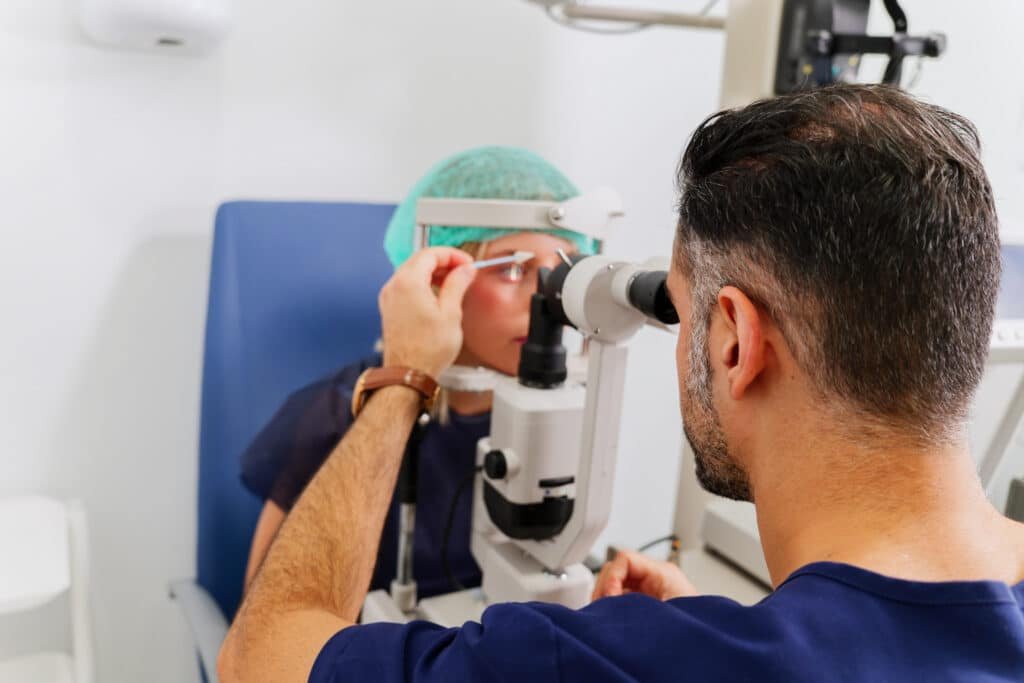
Laser refractive surgery is one of the most popular and effective options for correcting vision problems. In Marbella, Dr. Ali Nowrouzi, a leading ophthalmologist in the region, offers several techniques to suit different visual needs. The most common types of laser refractive surgery are described below.
LASIK (Laser-Assisted In Situ Keratomileusis)
This technique represents one of the most widely used and recognised methods in refractive surgery. In the procedure LASIK, In this procedure, a flap is created in the cornea, which is lifted for an excimer laser to shape the underlying tissue. The precision of the laser allows the necessary adjustments to be made according to the type and degree of refractive error.
- MyopiaIn this case, the laser will flatten the curvature of the cornea, allowing light to focus properly on the retina.
- HypermetropiaHyperopia: To correct farsightedness, the laser will incurvate the cornea, thus facilitating near vision.
- AstigmatismHere, the aim is to correct the asymmetrical curvature of the cornea, achieving clearer vision at various distances.
PRK (PhotoRefractive Keratectomy)
PRK is an older technique that does not require the creation of a flap. In this procedure, the laser is applied directly to the surface of the cornea. This option may be particularly suitable for patients with thin corneas or those at high risk of eye injury or trauma.
Although recovery may be slower and may produce a higher level of discomfort initially, PRK remains an effective alternative that many patients consider. The technique has shown good results in correcting long-lasting visual defects.
SMILE (Small Incision Lenticule Extraction)
The SMILE technique is more recent and is gaining popularity. Unlike LASIK and PRK, SMILE does not create a flap, but rather a small incision is made in the cornea. Through this incision, a small lenticule of corneal tissue is removed.
This option can offer less postoperative discomfort and a faster recovery time, which is a great advantage for many patients. The technique is effective in correcting myopia and astigmatism, providing comparable results to more traditional methods.
Each of these laser refractive surgery techniques has its own characteristics, advantages and disadvantages. Choosing the right procedure should be the result of a thorough evaluation by an experienced practitioner, such as Dr. Ali Nowrouzi, who will examine all the necessary factors to recommend the best option for each patient's individual needs.
Alternatives to laser surgery: intraocular lenses and special options
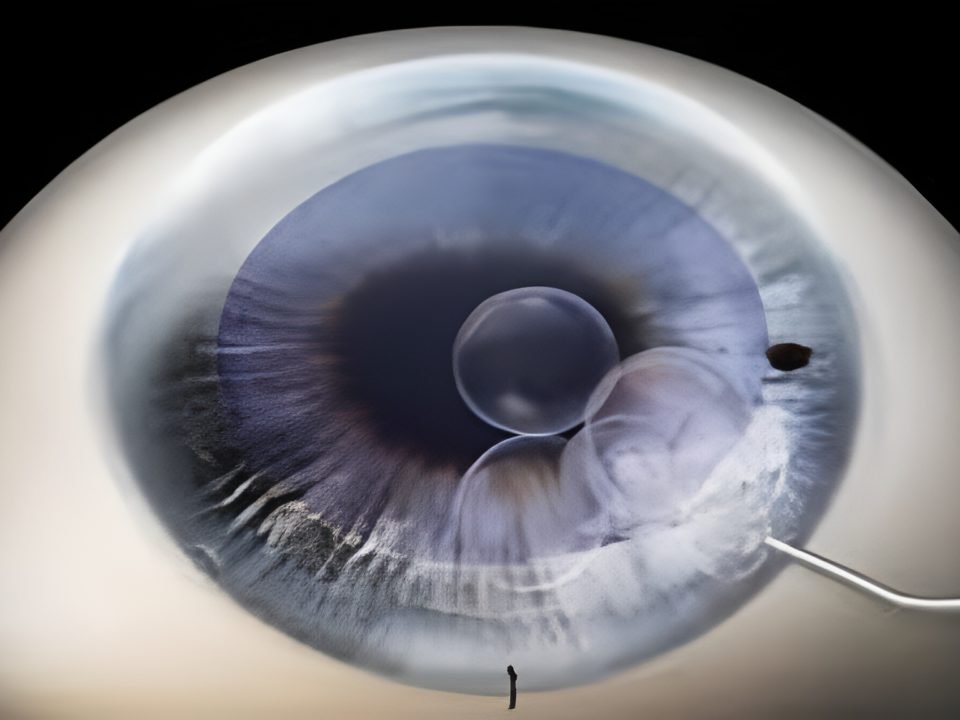
Laser surgery is one of the most popular options for correcting visual problems, but not all patients are ideal candidates for this type of intervention. In these cases, intraocular lenses can be an effective solution. These lenses are implanted inside the eye and can correct various refractive defects.
Intraocular lenses are especially useful for people with high prescriptions, who may not be able to benefit from laser surgery. This type of intervention is performed by ophthalmology experts, such as Dr. Ali Nowrouzi in Marbella. The surgery involves placing a lens in the eye, keeping the original lens or, in some cases, replacing it. This allows patients to achieve proper vision without relying on glasses or contact lenses.
Types of intraocular lenses
There are different types of intraocular lenses, each adapted to specific needs:
- Phakic lenses (ICL): They are placed in the eye without replacing the lens. They are ideal for young people or those with high refractive problems.
- Refractive intraocular lensesThese lenses correct vision, aiming to reduce dependence on glasses or contact lenses in older people.
- Multifocal lensesThey allow you to see correctly at different distances, which is especially beneficial for those who suffer from presbyopia, a common condition in middle age.
The implantation of each type of lens requires a thorough examination to ensure that the most suitable option is chosen. Dr. Ali Nowrouzi performs a thorough assessment to determine the best alternative for each patient. This personalised care is essential to ensure satisfactory results.
Other special options
In exceptional situations, patients may opt for alternative methods to intraocular lenses and laser surgery. These include techniques that do not involve any direct surgical intervention or that use different methods to correct vision. For example, there are orthokeratology treatments, which use special contact lenses designed to shape the cornea at night, allowing clearer vision during the day without the need for glasses or surgery. Although these options may not be suitable for everyone, it is considered an interesting alternative.
The choice between the different alternatives to laser surgery should be made in consultation with a trusted professional such as Dr. Ali Nowrouzi. Every patient has specific needs and conditions, and only an expert can guide you on the path to the best solution for your vision.

Complete refractive surgery process: from assessment to post-operative care
Refractive surgery is performed through a well-structured process that includes several key stages. The first stage is the initial assessment, where various ophthalmological tests are performed. The aim of this phase is to determine whether the patient is a suitable candidate for the procedure. In this assessment, eye health and prescription stability are analysed, as well as other factors that may influence the outcome of the surgery.
Once the assessment has been completed, a preoperative consultation. During this appointment, test results are reviewed and the most appropriate surgical technique for each patient is determined. An important aspect of this stage is the discussion of the benefits and risks of the procedure. This allows the patient to have a clear understanding of what to expect, as well as possible side effects.
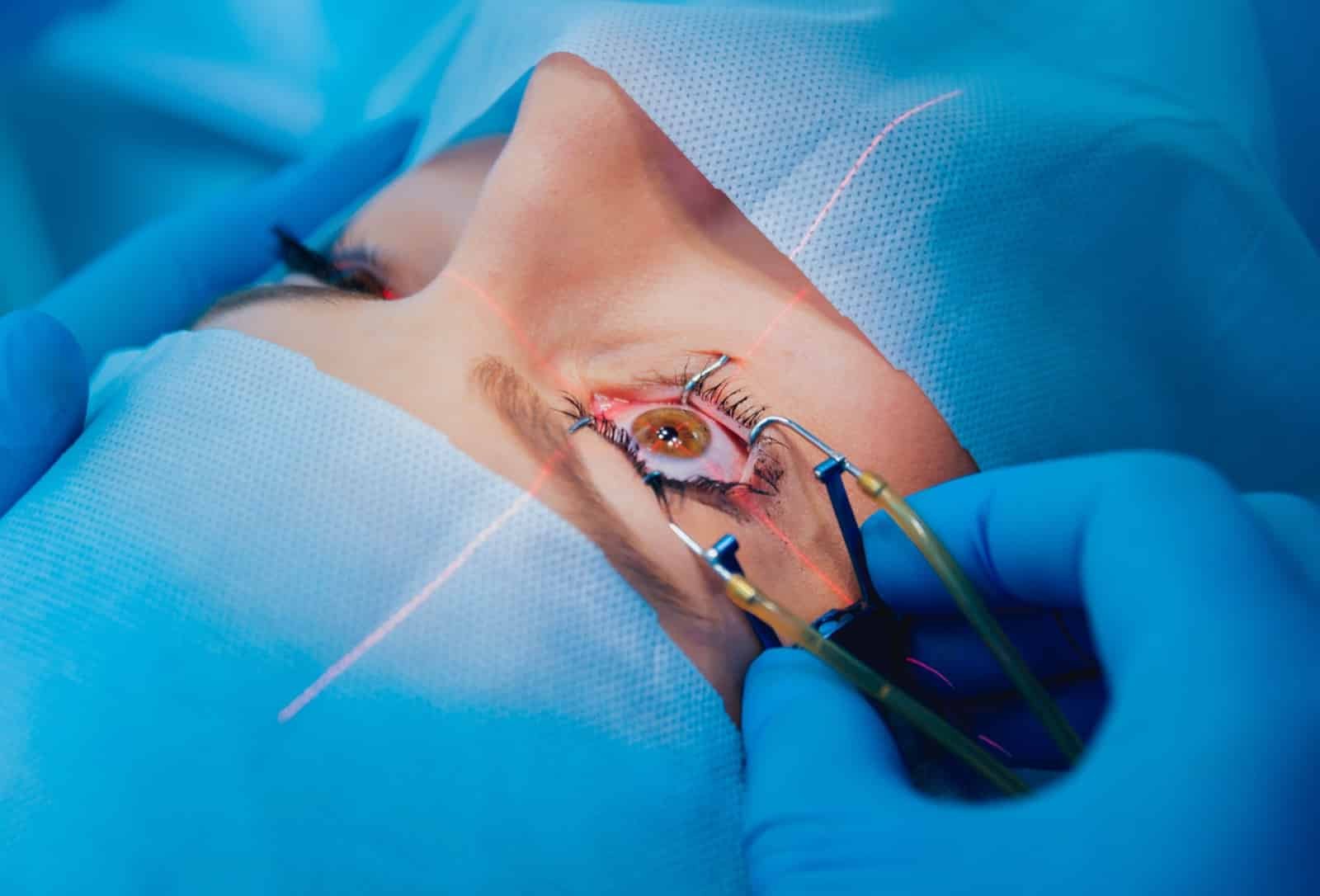
The moment of surgical procedure is crucial. The surgery is performed in a clinical setting and is generally considered painless due to the use of local anaesthetics in the form of anaesthetic drops. The duration of the procedure varies, but usually ranges from 10 to 30 minutes. During the procedure, the curvature of the cornea is modified using advanced laser techniques, depending on the type of refractive defect the patient has.
Subsequently, the postoperative care. After surgery, it is normal to experience a short period of discomfort or blurred vision. Most patients begin to notice a significant improvement in their vision within a few days, although full recovery may vary. It is essential to follow all the ophthalmologist's instructions to the letter in order to optimise results and minimise the risk of complications.
- Monitoring visitsThey are scheduled at regular intervals to monitor healing and visual outcome.
- Post-operative instructionsThese include the use of eye drops, avoiding rubbing the eyes and avoiding exposure to irritating environments.
- Recommended activitiesIt is advisable to pause strenuous activities and avoid swimming for a specific time.
Dr. Ali Nowrouzi, leading ophthalmologist in Marbella, is responsible for exhaustive monitoring of the process. This includes clarifying any doubts that may arise and adjusting the recommendations according to the evolution of each patient. Close and personalised attention is part of our commitment to offering a quality service at every stage of the treatment.
Clarity in the process from assessment to recovery is essential to a positive experience. Each step is designed to ensure that the patient receives the maximum benefits from refractive surgery, giving them the opportunity to enjoy a visually active and independent life.
Expected results and improvement in visual quality
Advances in refractive surgery have enabled a large number of patients to experience significant improvements in their vision. When considering undergoing this type of procedure, it is essential to have realistic expectations about the results that can be achieved.
Generally, it is estimated that between 90% and 95% of patients achieve visual acuity of 20/25 or better after surgery. This means that many people can do without glasses or contact lenses in their daily lives, which significantly improves their quality of life.
In practice, the results depend on several factors, such as the type of refractive defect, the surgical technique used and the individual characteristics of each eye. Among the most common improvements that patients can expect are:
- Reduction or elimination of dependence on glasses and contact lenses.
- Sharper vision both near and far.
- Increased comfort in everyday activities, such as reading or playing sports.
- Less worries about the care and maintenance of vision correction devices.
Most patients experience a relatively rapid recovery process. In the days following surgery, it is possible to notice a progressive improvement in visual acuity. However, it is important to understand that each person is unique and there may be individual variations in recovery time and final results.
The postoperative follow-ups are essential to ensure that healing is progressing properly. During these visits, the ophthalmologist will assess progress and can adjust any magnitude of any issues that may be present. Dr. Ali Nowrouzi in Marbella is responsible for carrying out these checks to ensure that each patient is satisfied with the results and can enjoy their new vision without complications.
Improved visual quality not only affects physical aspects, but also has a direct impact on people's social and emotional lives. Freedom from glasses can lead to increased self-confidence and a sense of freedom that many patients have not previously experienced. Feedback from those who have undergone the procedure reflects widespread satisfaction and appreciation for the possibility of enjoying clear vision.
Finally, it is essential to keep a positive and open attitude; refractive surgery has very encouraging results, but it is essential to follow all the doctor's recommendations and to keep in mind that each case is unique. This will ensure the best possible experience and outcome. Dr. Ali Nowrouzi is committed to providing a personalised approach to each patient, ensuring that every step of the way is satisfactory and successful.
Better visual quality than with glasses or contact lenses
An important advantage of the modern refractive surgery is that it does not only correct the prescription. Spectacles and contact lenses correct the basic refractive error, but they do not correct all the optical aberrations of the eye.
Customised laser treatments can improve visual clarity, contrast, night vision quality and vision stability. For this reason, many patients experience even better visual quality than they did with glasses or contact lenses.
Important considerations before and after refractive surgery
Before undergoing refractive surgery, a thorough assessment is essential. This involves detailed tests of vision and eye health. The initial assessment helps the ophthalmologist to determine if the surgery is appropriate and to choose the most suitable technique for each patient. In Marbella, Dr. Ali Nowrouzi specialises in customising the consultation to each individual's needs, ensuring that all aspects are taken into account.
Prior to the procedure, it is advisable to follow certain indications that facilitate a more satisfactory experience. Below are some key recommendations:
- Avoid wearing contact lenses a few days before surgery, as they can alter the shape of the cornea.
- Attend all pre-consultations and clarify any doubts or concerns with the doctor.
- Do not consume alcohol or non-prescribed medication, which can affect the process and recovery.
During the postoperative period, following the ophthalmologist's instructions is vital. After surgery, it is normal to experience certain sensations, such as blurred vision or slight discomfort. However, this discomfort is usually temporary. Following the postoperative guidelines will ensure a faster and safer recovery.
Considerations to be taken into account after the procedure include:
- Use the drops or medicines prescribed to prevent infection or inflammation.
- Avoid rubbing your eyes and protect them with sunglasses when going out to mitigate glare.
- Regular check-ups with the specialist to ensure that recovery is progressing adequately.
It is essential to recognise that not everyone will have the same results. Each patient's experience may vary, and some may need additional adjustments. Maintaining open communication with Dr. Ali Nowrouzi will allow any concerns or adjustments needed during the recovery process to be addressed.
Finally, it is important to address the adaptation period. Vision may continue to improve in the months following surgery and it is normal for several weeks to pass before optimal results are achieved. Patience is key in this process, and regular check-ups will help to adjust expectations and ensure the best possible outcome.
Frequently asked questions about refractive surgery
Refractive surgery is a subject that raises many questions. Here are some of the most common questions that may arise in relation to this procedure.
- Is refractive surgery painful?
Most patients report that the procedure is painless. Anaesthetic drops are used to minimise any discomfort during surgery. Some may experience slight discomfort after the procedure, but this usually resolves in a short time. - How long does the procedure take?
Depending on the type of technique used, surgery can take between 10 and 30 minutes. This includes preparation time and the surgical time itself. - How long does it take to recover?
Complete recovery can vary depending on the technique used. Many patients begin to notice improvement in their vision almost immediately, although final vision may stabilise within days or weeks. Dr. Ali Nowrouzi, a leading ophthalmologist in Marbella, provides personalised follow-up care to ensure optimal recovery. - Who is a candidate for refractive surgery?
Not everyone is suitable for this type of surgery. Ideal candidates are those with stable vision and no significant eye health problems. A thorough evaluation is performed to determine the patient's suitability. - What complications can arise?
Although refractive surgery is generally safe, there may be risks, such as dry eyes, glare or blurred vision. It is important to discuss these issues with your doctor to have a full understanding of the risks involved. - Does refractive surgery guarantee perfect vision?
Although many patients experience significant improvement, not everyone achieves perfect vision. Expectations should be realistic, and a discussion should be held with the doctor about what results are possible in each individual case. - Is it necessary to wear glasses after surgery?
In many cases, refractive surgery can eliminate the need for glasses or contact lenses. However, some people, especially those with presbyopia, may still need them for near vision. - What are the differences between LASIK and PRK?
Both are effective refractive surgery techniques, but they differ in method. LASIK involves creating a flap in the cornea, whereas PRK is performed directly on the corneal surface. Each technique has its advantages depending on the patient's situation.
To resolve any other questions or concerns, it is advisable to consult a specialised professional. Dr. Ali Nowrouzi in Marbella offers personalised consultations to ensure that each patient understands the procedure and what to expect.
Recommendations for choosing a reliable medical centre and medical team
When making the decision to undergo refractive surgery, it is essential to select a centre and medical team that provides safety and confidence. The quality of care you receive will influence your results and your overall experience of the process.
The first thing to consider is to check the reputation of the centre. Researching what other patients have to say is a good way to start, as their experiences can give you an insight into the quality of the service. Searching for testimonials and reviews online can be helpful, but also asking acquaintances or family members if they have had any previous experience with the ophthalmologist or clinic is also advisable.
The medical team must have appropriate training and certifications. Dr. Ali Nowrouzi, a leading ophthalmologist in Marbella, stands out for his specialisation in refractive surgery. Make sure your ophthalmologist has the necessary training and experience in specific techniques, as well as in the management of possible complications. The experience of the team and the number of procedures performed are aspects that can impact the quality of the treatment.
- Investigate the credentials of the ophthalmologist.
- Check that the centre is accredited and complies with health regulations.
- Request information on technologies used in refractive surgery.
Another crucial aspect is the availability of an initial consultation. This first visit should include a complete evaluation of your eyes, as well as a clear explanation of the procedure to be performed. During this consultation, it is important that the doctor explains all phases of the treatment and answers any questions you may have. A good doctor will not only provide technical information, but will also address your concerns and make you feel comfortable and confident.
The clinic environment must also be considered. A clean, modern and properly equipped area is vital to ensure patient safety. Dr. Ali Nowrouzi and his team in Marbella ensure that all procedures are carried out in optimal conditions, placing great emphasis on patient care and the quality of the equipment used.
- Ensure that the centre has a patient-centred approach.
- Check the hygiene and safety measures in place.
- Appreciate the comfort and treatment of the administrative and medical staff.
Finally, we must not forget the importance of proper postoperative follow-up. A centre that offers regular check-ups after surgery is essential to ensure that recovery is as expected. This ensures that possible complications can be detected and treated quickly. Remember that postoperative care is as important as the procedure itself.
Choosing the right centre and having a team you trust is key to a successful refractive surgery experience. Take the time to do your research and make sure all your concerns are properly addressed before making your decision.
Refractive surgery in Marbella with Dr Ali Nowrouzi
Refractive surgery represents one of the greatest advances in modern ophthalmology. Thanks to the latest generation of lasers and personalised treatments, it is now possible to correct visual defects safely and precisely.
Dr. Ali Nowrouzi, european specialist in refractive and corneal surgery with certification FEBO-CR, offers advanced laser eye surgery treatments in Marbella, using state-of-the-art technology and a completely personalised approach.
If you are thinking of myopia surgery, astigmatism o presbyopia in Marbella, a specialist assessment is the first step in determining the most appropriate treatment for your eyes.
The fundamental test to find out if you are a candidate for refractive surgery is the corneal topography, which analyses the shape of your cornea and rules out conditions such as keratoconus before planning the procedure.