Retina surgery in Marbella

Recover your Vision with Confidence

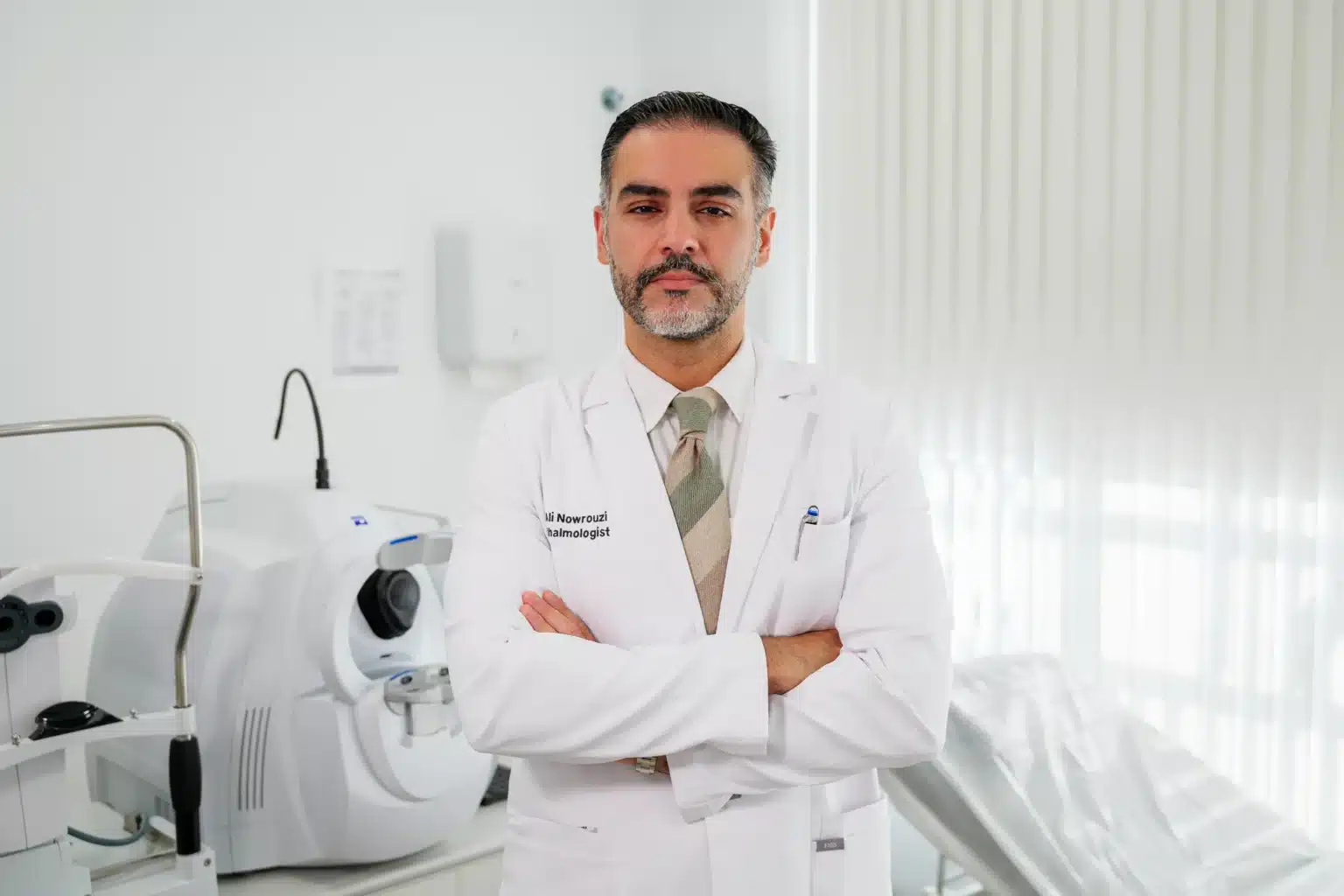
Blurred vision, flashes of light or sudden loss of visionThese symptoms can be signs of a serious condition of the retina. At our clinic in Marbella, the Dr. Ali NowrouziThe internationally recognised specialist performs high-precision interventions to treat retinal pathologies and help you recover your quality of vision.

More than 2000 satisfied patients.
Call us Free
651 16 94 15
Or would you prefer us to call you?
waterfall

What is retinal surgery?

The retina is a delicate layer of the eye responsible for transforming light into nerve signals that the brain interprets as images. When this structure is affected, serious vision disturbances occur that require immediate attention.

Among the most common diseases we treat are:

  • Retinal detachmentretinal detachment : separation of the retina causing sudden loss of vision.

  • Diabetic retinopathydamage caused by diabetes to the blood vessels of the retina.

  • Age-related macular degeneration (AMD)affects central vision.

  • Epiretinal membraneretinal tissue formation on the retina that distorts vision.

  • Macular hole y macular oedemaalterations that directly affect the macula.

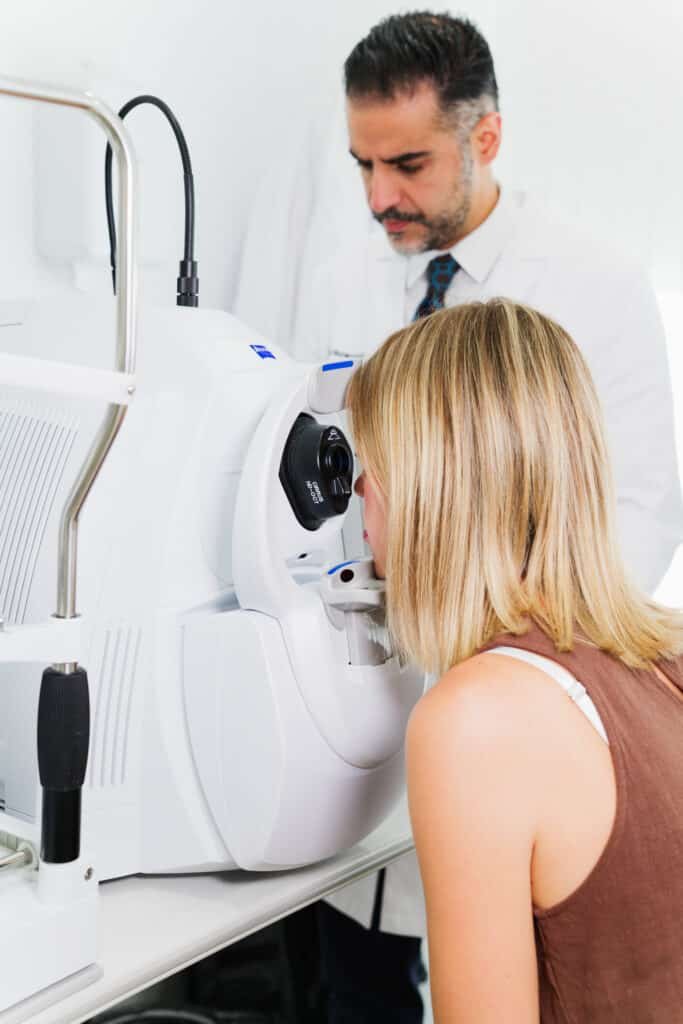
Accurate diagnosis is made with a OCT of retina and macula, which obtains high-resolution images of the retinal layers, and a digital retinography for the monitoring of vascular and degenerative pathologies.

Woman with long blonde hair, showing an expression of concentration while touching her face in an unfocused environment, reflecting a state of confusion or introspection.

How do you know if you need Retina Surgery?

Some of the most common symptoms that indicate a problem in the retina are:

  • Blurred or distorted vision.

  • Flashes of light (photopsias).

  • Dark spots (myodesopsia or "floaters").

  • Sudden loss of vision in one eye.

  • Difficulty reading or seeing fine details.

Immediate assessment is essential at any sign. In our clinic, we carry out a complete diagnosis by means of Optical Coherence Tomography (OCT), advanced ocular biometry and other specific tests.

Doctor showing an eye model to a patient in an ophthalmology practice.

What is Retinal Surgery?

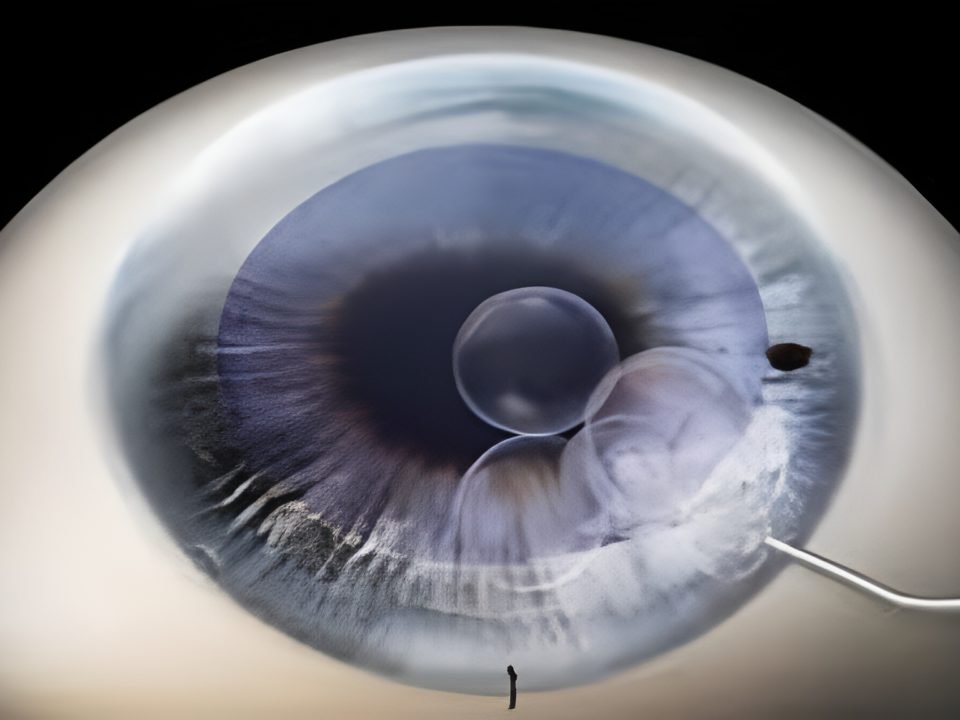
The most commonly used procedure is the vitrectomya minimally invasive surgical technique that allows access to the retina in order to:

  • Repairing a detachment.

  • Drawing blood in cases of vitreous haemorrhage.

  • Remove abnormal tissue such as a epiretinal membrane.

  • Correcting a macular hole.

The operation is carried out with local anaesthesiaThe duration of the programme is between 30 and 90 minutes and, in most cases, it is outpatient.

In addition, depending on the diagnosis, we can apply:

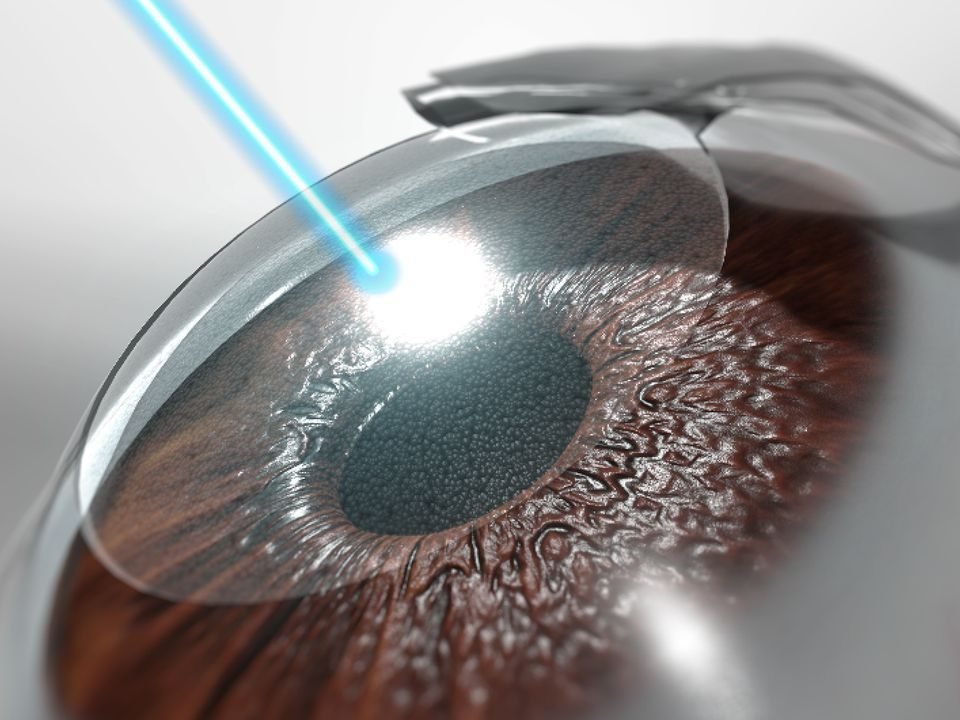
  • Retinal photocoagulation lasers.

  • Ocular cryotherapy to seal tears.

medium shot senior couple nature

Recovery after retinal surgery

  • Postoperative periodInitial recovery usually lasts between 2 and 4 weeks.

  • In some cases, it is necessary to maintain a specific position for the first few days to promote healing.

  • Vision improves progressively, although it may take several months to stabilise completely.

  • We do a personalised follow-up with regular reviews.

What is the price or how much does the operation cost?

The cost of the operation varies according to the complexity of the pathology and the type of intervention. In our clinic in Marbella we offer:

  • Free first consultation.

  • Detailed budget adapted to your case.

  • Flexible financing options.

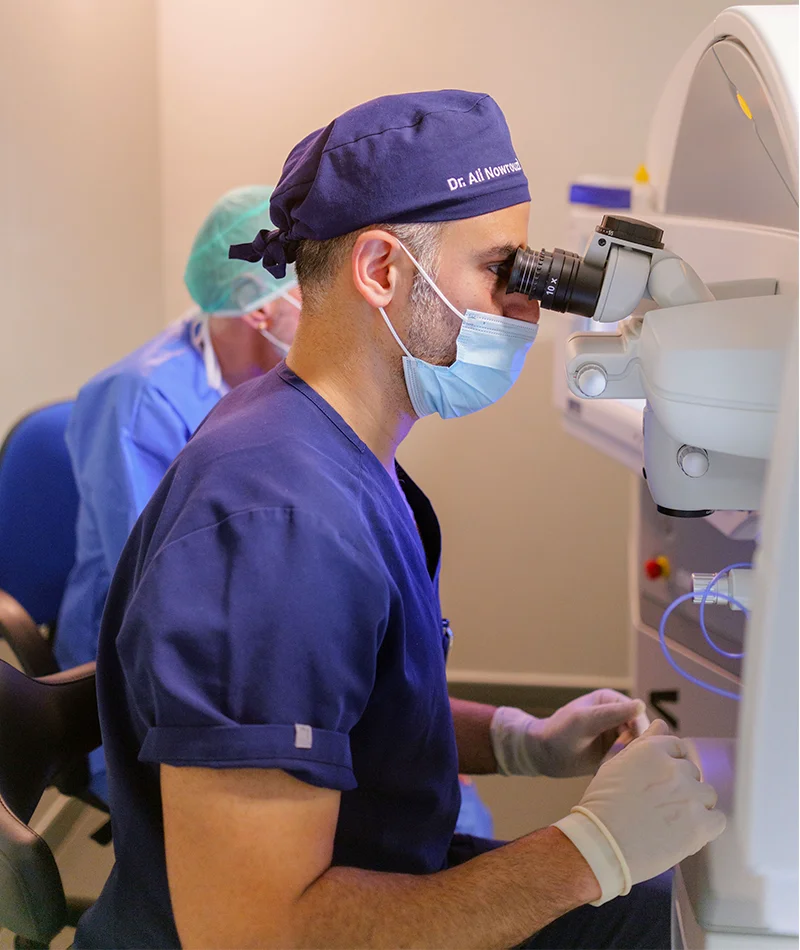
Physician using a microscope in a clinical setting, focusing on ophthalmic procedures, wearing protective equipment and gloves.

Advanced Diagnosis of Retinal Diseases with Angio-OCT

In the retina clinic of Dr. Ali Nowrouzi, we use the most advanced imaging technologies to detect macular and retinal diseases at very early stages, even before significant symptoms appear.

Angio-OCT: an angiography without injections

Angio-OCT (Optical Coherence Tomography Angiography) is a non-invasive imaging technique that allows precise visualization of the retina and the blood circulation of the macula and choroid without the need for intravenous contrast injection. Thanks to this technology, we can study the ocular microcirculation in seconds, safely and comfortably for the patient.

Angio-OCT is especially useful for:

  • Early diagnosis of Age-Related Macular Degeneration (AMD).
  • Detection and monitoring of macular drusen.
  • Identification of hidden neovascular membranes.
  • Evaluation of Central Serous Chorioretinopathy (CSC).
  • Management of retinal vascular diseases.
  • Monitoring of patients at risk of progression to advanced AMD.

Thanks to the combination of high-resolution OCT and Angio-OCT, it is possible to analyze the retinal structure in detail, quantify drusen volume, and detect microscopic alterations that are not visible in a conventional examination.

Photobiomodulation: a new therapeutic option for the macula

Photobiomodulation (PBM) is an innovative therapy based on the controlled application of specific wavelengths of red and infrared light to stimulate cellular function and improve retinal metabolism.

Various studies have shown that photobiomodulation can contribute to:

  • Reducing the volume of macular drusen.
  • Improving contrast sensitivity.
  • Enhancing the function of retinal pigment epithelium cells.
  • Improving certain visual parameters in patients with dry AMD.
  • Decreasing oxidative stress and cellular inflammation associated with macular aging.

Main Indications

Dry Age-Related Macular Degeneration (AMD)

Photobiomodulation is generating great interest as a complementary treatment in early and intermediate stages of dry AMD, especially in patients with drusen and early macular alterations. Clinical studies have shown functional improvement and reduction in drusen volume after treatment.

Macular Drusen

Drusen represent one of the first signs of macular aging. Early detection using Angio-OCT allows for establishing personalized monitoring programs and evaluating innovative therapies such as photobiomodulation to slow disease progression.

Central Serous Chorioretinopathy (CSC)

OCT and Angio-OCT allow precise analysis of subretinal fluid accumulation and choroidal circulation in patients with CSC. These tools facilitate an accurate diagnosis and the selection of the most appropriate treatment for each case.

ali 8 Aug 15

Photobiomodulation: a new hope for dry AMD

During years, age-related macular degeneration in its dry form —the most common— did not have a treatment capable of slowing its progression. Today, photobiomodulation has changed that landscape: it is the first treatment approved in Europe and the United States to improve vision in patients with dry AMD, and it is part of the advanced therapies that Dr. Ali Nowrouzi offers in his Marbella practice.

It is a gentle, painless, and non-surgical therapy that applies controlled light to stimulate and revitalize retinal cells. Its goal is clear: to help preserve central vision and slow the progression of the disease, acting in the stages where it can still make a difference.

What it can offer the patient:

  • It helps slow the progression of dry AMD in its early and intermediate stages.
  • It contributes to improving visual quality and macular sensitivity.
  • It promotes retinal cell health, reducing age-related wear.
  • It is a treatment supported by scientific evidence and approved by health authorities.

Photobiomodulation is performed in the office itself, without the need for an operating room, anesthesia, or dilation. Each session is brief, the patient can resume normal life immediately, and it is compatible with other common conditions, such as cataracts.

The most important thing is early detection: the sooner the retina's condition is assessed, the greater the options to act before vision loss becomes irreversible. Therefore, in Dr. Nowrouzi's practice, macular study is part of the protocol from the first visit, with the most advanced diagnostic technology and the personalized follow-up that each case requires.

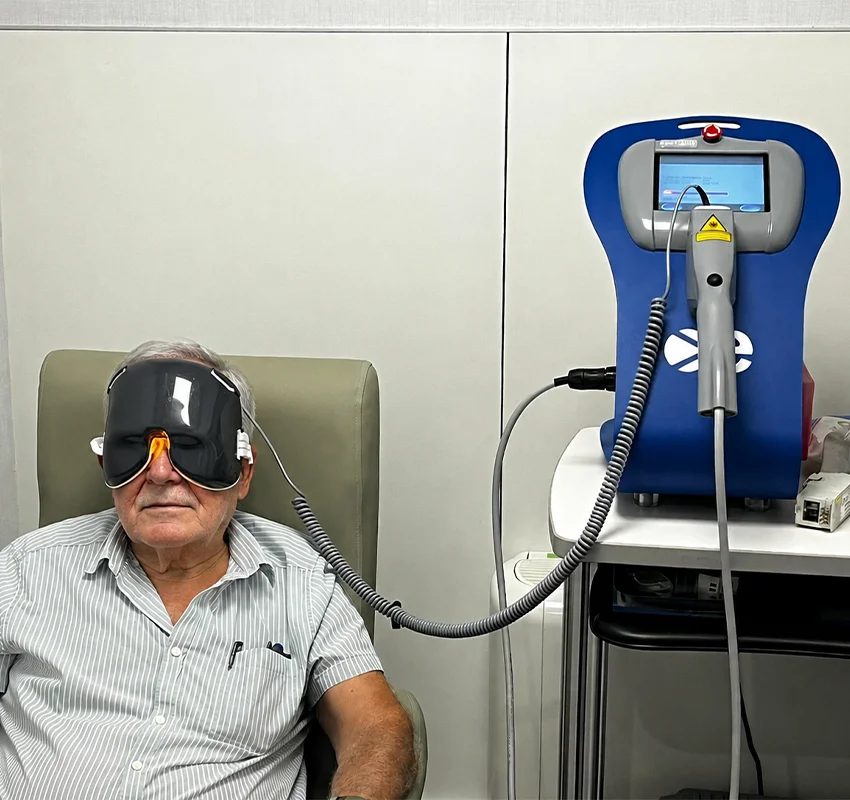
Analyzing Photobiomodulation on a patient of Dr. Ali

Precision retinal medicine

The combination of advanced diagnostic technologies such as Angio-OCT with innovative treatments like photobiomodulation allows us to offer personalized medicine, aimed at detecting diseases before they cause significant vision loss and preserving long-term vision.

At Dr. Ali Nowrouzi's practice, we perform a comprehensive retinal assessment using state-of-the-art equipment for the diagnosis and monitoring of AMD, macular drusen, central serous chorioretinopathy, and other complex retinal diseases.

Why choose Dr. Ali Nowrouzi for your Retina Surgery?

Dr. Ali Nowrouzi has more than 15 years of experience y more than 4,000 successful interventions.

State-of-the-art technology:

      • Minimally invasive vitrectomy.

      • High resolution OCT.

      • Photocoagulation laser.

It offers personalised attention in our ophthalmology clinic in Marbella. We have patients from all over the Costa del SolMalaga, Estepona, Fuengirola, Benalmádena.

Certified as one of the 50 world's leading specialists in refractive and cataract surgery by the European Board of Ophthalmology (FEBO-CR), and among the most prestigious in the Top 100 International Surgeons by the International Board of the College of Refractive Surgeons (WCRS).

📄 Member number: 291110233
Ophthalmology clinic in the centre of Marbella: Av. Severo Ochoa, 19, 29603 Marbella, Málaga

dr ali nowrouzi

What our patients say

Appearance in the media and scientific journals

Ophthalmology clinic in Marbella

Location

We are located in the centre of Marbella, with easy access from all over the Costa del Sol: Málaga, Fuengirola, Estepona, Benalmádena, etc.

Clinic
Av. Severo Ochoa, 19, 29603 Marbella, Málaga

Frequently asked questions about refractive surgery

Is retinal surgery painful?

No. Surgery is performed with local anaesthesia and it is outpatient in most cases. The patient feels no pain during the operation, and the postoperative period is usually well tolerated, although specific care may be required in the first few days.


What are the risks of retinal surgery?

All surgery carries certain risks, although they are minimal if performed with advanced technology and by specialists. Possible risks include infections, increased intraocular pressure or cataract formation, but these are rare. At our clinic, we advise you and monitor each phase to minimise any complications.


What kind of follow-up do I need after the operation?

After surgery, we perform regular reviews to ensure that the retina heals correctly and your vision improves progressively. The follow-up is personalised, adapted to each patient and their evolution.


How long does it take for vision to recover?

Visual improvement begins to be noticeable in the first few weeks, although full recovery may take between 1 and 3 months, depending on the type of pathology treated. In some cases, it is necessary to maintain a specific position after surgery.


Who is the best specialist for retina surgery in Marbella?

The Dr. Ali Nowrouziwith more than 4,000 surgeries performed and international certifications (FEBO-CR, FWCRS), is a reference in retina surgery in Marbella and the Costa del Sol. Its experience and technology guarantee high quality treatment.

Make an appointment with Dr. Ali Nowrouzi