OCT in Marbella (Optical coherence tomography)

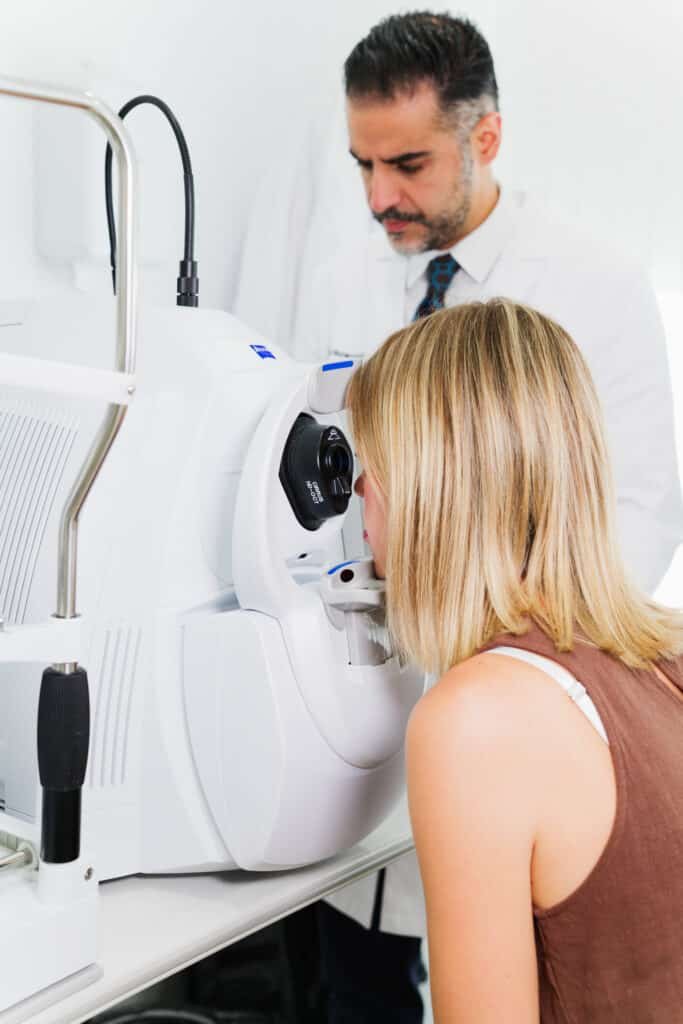
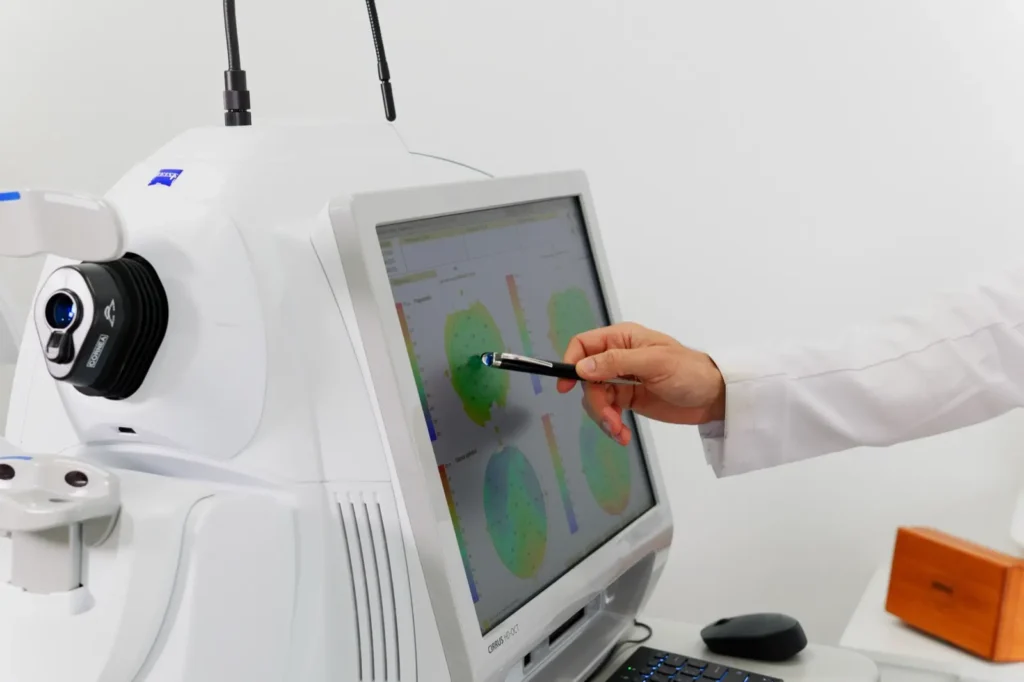
The OCT, o optical coherence tomography, is a very precise imaging test that allows you to see the internal structures of the eye without contact, without pain and in just a few seconds. With this technology it is possible to analyse the retinathe stainthe optic nervethe corneathe anterior chamber and the iridocorneal angle, detecting alterations that are not visible in a conventional scan.

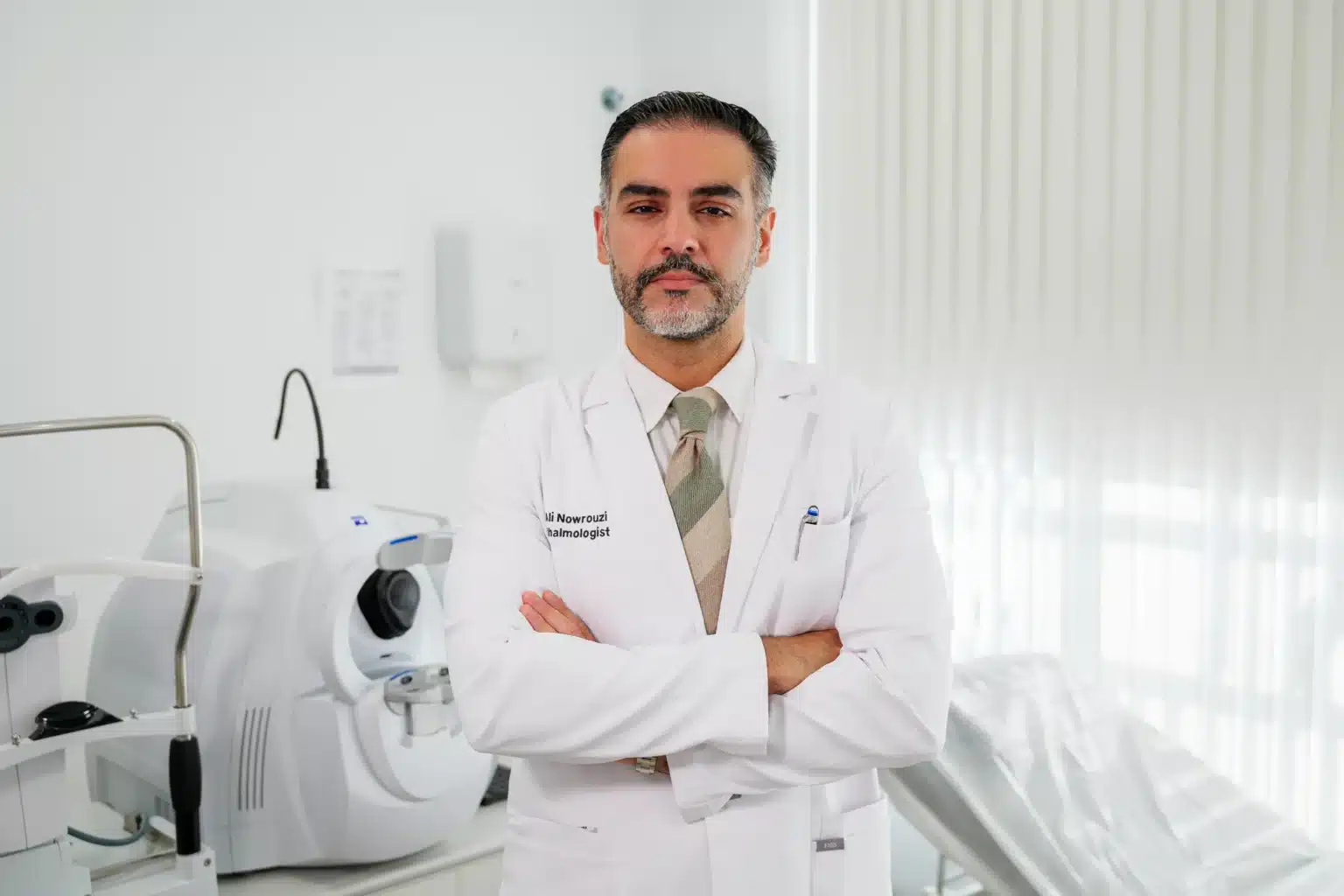
At Dr. Ali Nowrouzi's clinic we perform a complete study using six OCT modalities:

  • Standard optical coherence tomography: general image of retina, macula and optic nerve.

  • Retinal OCT: essential in AMD, macular oedema, epiretinal membranes, myopia magna and diabetic retinopathy.

  • Angio-OCT (non-invasive angiography): study of the microvasculature without intravenous contrast, useful in diabetes, vascular occlusions and ischaemia.

  • Anterior chamber OCT: analyses cornea, anterior chamber thickness and depth, especially useful in laser surgery and irregular corneas.

  • OCT of the iridocorneal angle: essential for assessing narrow-angle glaucoma and deciding whether iridotomy is necessary.

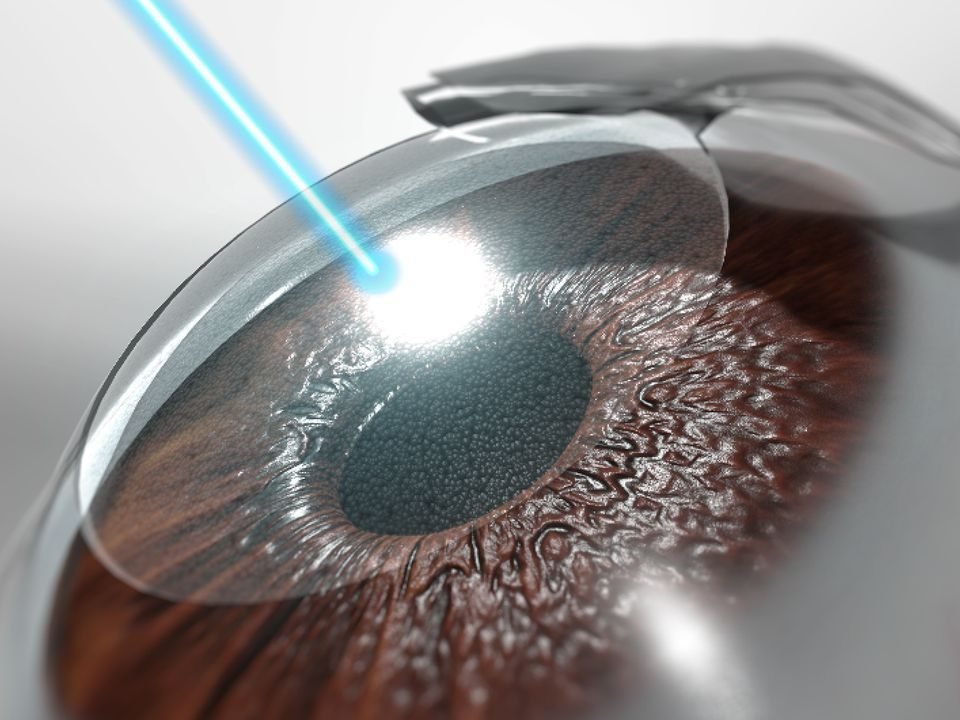
  • Epithelial map: shows the thickness of the corneal epithelium micron by micron, key in early keratoconus and personalised planning of refractive surgery.

Depending on your case, it may be combined with other tests such as the retinography, campimetry, corneal topography o ocular biometry for a more complete diagnosis.

ali 8 Aug 15
epithelial map

Frequently asked questions about OCT

What exactly is an optical coherence tomography?

OCT is an optical scanner that obtains cross-sectional images of the retina, macula, optic nerve and anterior segment structures using safe infrared light. It can detect oedema, membranes, optic nerve damage and very fine changes that are not visible with a traditional scan.

It is an essential test in patients with:

  • Suspicion or monitoring of glaucoma.

  • Age-related macular degeneration (AMD).

  • Diabetes or diabetic retinopathy.

  • Myopia magna.

  • Macular oedema, epiretinal membranes or vitreoretinal tractions.

  • Irregular corneas or pre-operative studies of refractive surgery.

  • Valuation of narrow angle or risk of angular closure.

If the study needs to be extended, it is complemented by retinography, campimetry o corneal topography.

No. It is a test that is totally non-invasive, There is no contact with the eye, nothing is introduced into the eye and there is no discomfort. It is enough to look at a point of light while capturing the images.

Image capture usually takes 1 to 3 minutes per eye. This is most often done at the same visit before discussing the results with the doctor.

Only the following may be required pupil dilation in very detailed macular studies or in eyes with poorly transparent media.
If you are going to dilate, it is advisable to be accompanied and to avoid driving for a few hours.

None. It uses no radiation, no intravenous contrasts and can be safely repeated as many times as necessary to follow up a disease.

  • The retinography is a fundus photograph.

  • The OCT shows deep cuts in the inner layers.

Both are used in a complementary way for a more complete diagnosis.

Yes. In refractive surgery and in cataract surgery with premium lenses, OCT allows confirming that the retina and macula are healthy, The aim is to detect hidden alterations and avoid surprises in the postoperative period.
It is usually combined with biometrics, aberrometry y topography.

If you have been recommended to have an OCT scan or need a complete assessment of your retina, cornea or optic nerve, you can book an appointment with Dr. Ali Nowrouzi in Marbella.

We carry out the test in the consulting room and deliver the results immediately.

Make an appointment with Dr. Ali Nowrouzi