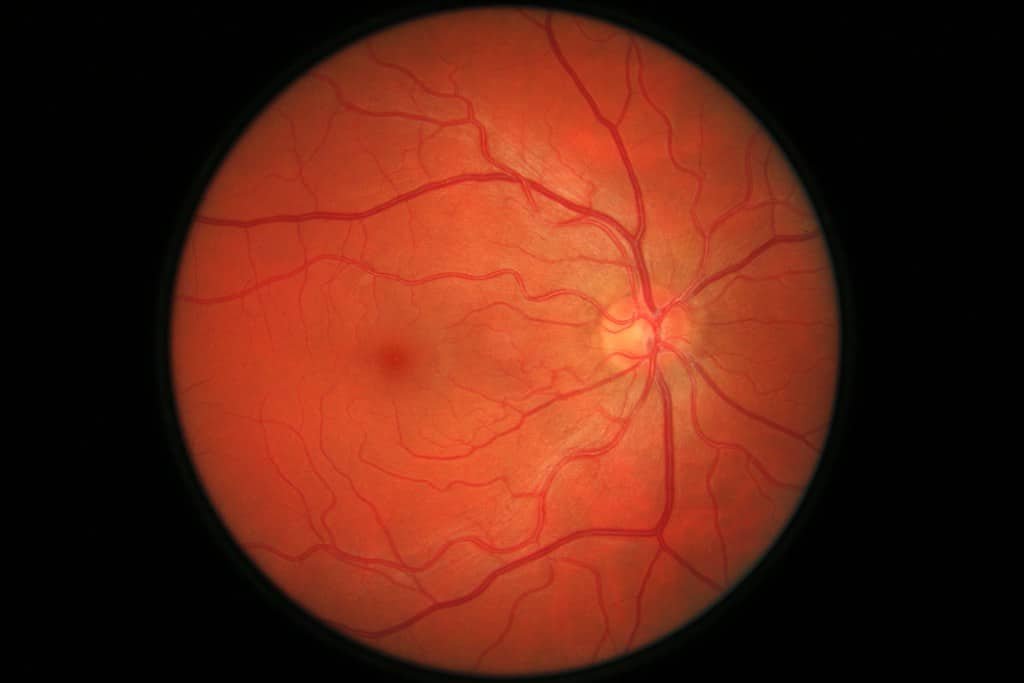
Intraocular lenses are implantable medical devices that correct vision problems such as myopia and astigmatism. Their use has gained popularity in cataract surgery and refractive treatments. Dr. Ali Nowrouzi, leading ophthalmologist in Marbella, offers personalised options for each patient. This article will discuss the types of intraocular lenses, their implantation procedure and the advantages they provide.
Types of intraocular lenses and their characteristics
Intraocular lenses can be classified according to their characteristics and specific use. This variety allows treatment to be tailored to the needs of the individual patient. In general, there are two main types used in clinical practice.
1. Pseudophakic lenses
- Monofocal: provide sharp vision at a specific distance with excellent contrast.
- Multifocal: they allow you to see far, intermediate and near, reducing your dependence on glasses.
- O-ringsCorrect astigmatism with great stability.
- AI-based smart lensesNew optical designs with reduced incidence of halos and glare.
2. EDOF and Monofocal Plus lenses: the new generation with minimal incidence of haloes
EDOF (Extended Depth of Focus) Lenses
They offer continuous distance and intermediate vision with a very natural behaviour. They are especially recommended for patients who:
- They want to be independent of glasses for most activities.
- Frequently drive at night
- They seek to avoid halos and glare
- Prefer a modern alternative to the classic multifocal
Current models, designed with artificial intelligence support, achieve a more physiological and stable visual profile.
Enhanced Monofocal Plus Lenses (Enhanced Monofocal)
Evolution of the traditional monofocal:
- Excellent distant vision
- Functional improvement of intermediate vision
- Virtually no nocturnal phenomena
- Highest contrast quality
They are ideal for patients who prioritise safety and visual quality with a small extra focusing range.
3. Phakic lenses (ICL)
Indicated in young patients with high prescriptions who are not candidates for corneal laser, without the need to remove the crystalline lens.
Dr. Ali Nowrouzi, leading ophthalmologist in Marbella, The lens is a special type of lens that provides a detailed assessment to determine which type of lens is most suitable for each patient. The choice will depend on the individual's particular visual needs and eye conditions.
Femtosecond laser: key to perfect centring
Dr. Ali Nowrouzi is a reference in Marbella in the use of femtosecond laser for intraocular lens implantation. Its main advantages are:
- ✅ Micrometric lens centring
- ✅ Accurate and reproducible incisions
- ✅ Improved EDOF and multifocal performance
- ✅ Reduced inflammation
- Faster recovery
Correct centration is the most important factor in avoiding glare and ensuring the optical performance of modern lenses.

Indications for intraocular lens implantation
Intraocular lenses are an effective option for people with significant vision problems. There are several factors that are taken into account when considering an implant. Each patient is unique, and it is essential to take into account their specific needs.
One of the most common indications is the suitability for younger patients, usually between the ages of 20 and 45. This group may benefit from phakic lenses before they experience presbyopia, a condition that affects near vision over time.
On the other hand, those who suffer from severe refractive errors, such as high myopia, hyperopia or astigmatism, are ideal candidates for this type of intervention. Surgery can provide them with a solution where other procedures such as laser correction are not applicable.
Patients with specific visual needs are also a group considered for implantation. Those who wish to correct vision problems at multiple distances, for example, can benefit greatly from multifocal lenses. This allows them to enjoy clear vision without constant dependence on glasses.
Ideal candidates
- Patients with cataracts
- People with presbyopia who want to give up glasses
- High myopia, hyperopia or astigmatism
- Contact lens intolerance
- Night drivers → EDOF/Monofocal Plus preference
A consultation with a specialised ophthalmologist, such as Dr. Ali Nowrouzi, allows each case to be analysed in detail, a proper diagnosis to be made and the chances of successful surgery to be assessed. The importance of a thorough ophthalmological examination cannot be underestimated; it is the first step towards improved vision.
Overall eye health is also a determining factor. Those with pre-existing eye health conditions should be thoroughly evaluated to determine if they are suitable for this procedure to ensure optimal results.
Finally, the patient's age and lifestyle may also influence the decision. An active lifestyle may favour the choice of a lens that suits your daily activities and personal preferences.
Dr. Ali Nowrouzi, an expert in ophthalmology in Marbella, offers a personalised approach, analysing each case to provide appropriate and effective solutions in each situation.
Surgical procedure for intraocular lens implantation
The success of the surgery depends on an extremely accurate diagnosis. It is performed in Dr. Nowrouzi's practice:
- High resolution optical biometrics
- Topography and corneal tomography
- Aberrometry
- AI-assisted lens calculation
- Customised visual simulation
Artificial intelligence makes it possible to predict the real performance of each model (multifocal, EDOF or Monofocal Plus) and choose the most suitable option according to the patient's lifestyle.
Intraocular lens implantation is an outpatient procedure performed with the aim of improving the patient's vision. This process is carried out with total precision and is usually quick, allowing patients to return to their daily activities in a short period of time.
Prior to surgery, a thorough ophthalmological examination is carried out to determine the condition of the eye and to select the most suitable lens. This analysis includes:
- Measurement of the anterior chamber.
- Endothelial count to assess corneal health.
- Corneal topography tests to map the surface of the eye.
On the day of surgery, the procedure begins with the administration of topical anaesthesia, so the patient will not feel any discomfort during the operation. After this, a small incision is made in the cornea that allows access to the anterior or posterior chamber of the eye, depending on the type of lens to be implanted. This is the most effective way to ensure correct positioning of the lens.
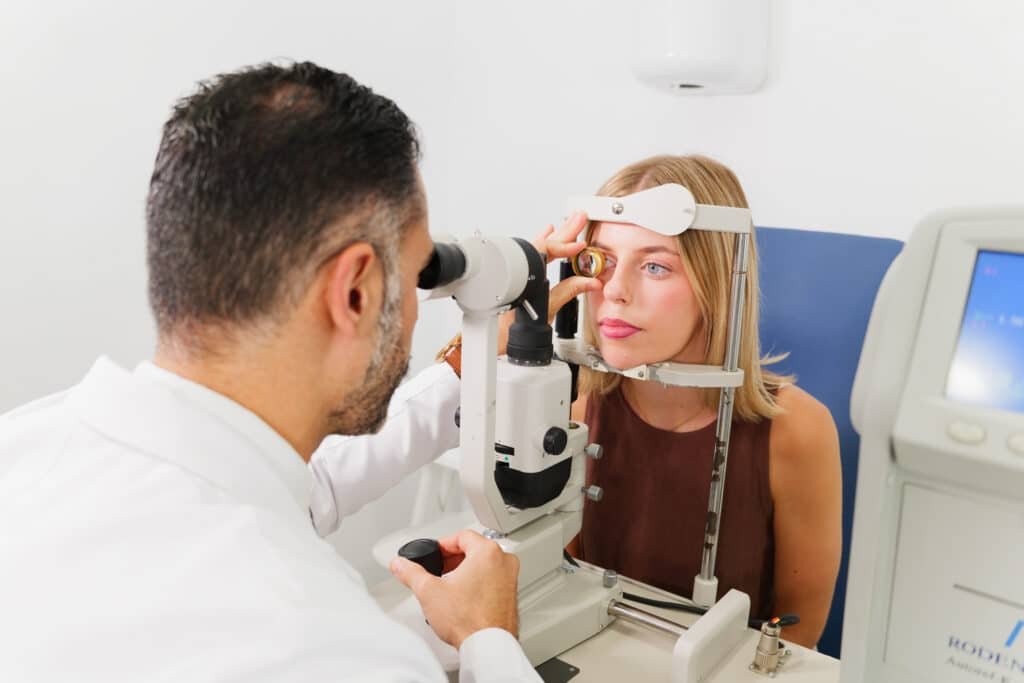
Lens insertion is a delicate process. For foldable lenses, special techniques are used to inject them into the eye in a compressed form, allowing them to expand once in place. This minimises the invasiveness required and therefore promotes faster recovery.
After implantation, the incision can close naturally without the need for sutures, reducing the risk of postoperative complications. Most patients experience a significant improvement in vision within a short period of time. Care and follow-up by the medical team, led by Dr. Ali Nowrouzi, ensure effective monitoring of eye health after the procedure.
Dr. Ali Nowrouzi's experience and training in Marbella ensures that every surgery is performed to the highest quality standards and with a personalised approach to each patient.
In a nutshell:
- Advanced AI diagnostics
- Femtosecond laser planning
- Painless microincision
- Precise lens implantation
- Visual recovery in 24-48 hours
Advantages and benefits of intraocular lenses
The choice of intraocular lenses offers multiple advantages that can significantly improve the quality of life of those suffering from vision problems. A key point is the effective correction of refractive errors such as myopia, hyperopia and astigmatism. This allows many patients to experience clear, sharp vision, reducing or eliminating the need for glasses or contact lenses.
One of the great qualities of these devices is their biocompatibility. Made of modern materials, they adapt well to the human eye, minimising the risk of rejection or complications. This is a great advantage for those who want a safe and effective treatment. In Marbella, Dr. Ali Nowrouzi, a leading ophthalmologist in the region, specialises in the use of these lenses, ensuring you the best support and care.
- Rapid recoveryMost patients see an improvement in their vision within hours, allowing them to resume their daily activities with little downtime.
- Reversible procedureIn the case of phakic lenses, they can be removed if the need arises, giving patients peace of mind about their decision.
- Variety of optionsLenses: There are different types of lenses, such as multifocal and toric lenses, which adapt to different visual needs, allowing each person's specific problems to be addressed.
- Clear vision at different distances
- Reduction or elimination of spectacles
- Best night vision with EDOF and Monofocal Plus
- Safe and durable procedure
- Predictable results thanks to AI
Intraocular lens treatment is a long-lasting and effective option for those seeking long-term solutions. With a personalised consultation, you can find the lenses that best suit your needs. Advances in this field are continuous, and better and better technologies are being developed that offer even greater safety and efficacy.
The possibility of living without the dependence on glasses is one of the reasons most praised by patients who opt for this type of correction. With a procedure that is ambulatory and offers satisfactory results, intraocular lenses are positioned as one of the best alternatives in ophthalmology today.
Possible complications and risks associated with the implant
Intraocular lens implantation, although generally safe, may involve certain risks and complications. It is essential to be informed about these issues in order to make the right decisions. Occasionally, side effects can occur which, although uncommon, are important to be aware of.
One of the most serious risks is infection, known as endophthalmitis. This complication can occur after surgery if bacteria manage to enter the eye. It is crucial to follow the specialist's instructions and attend check-ups to minimise this risk.
Another possible complication is lens shift. It may happen that, after some time, the lens shifts from its original position. This problem may require an additional procedure to reposition it correctly. The surgeon's experience, such as that of Dr. Ali Nowrouzi, is vital in these cases.
Elevated eye pressure, or glaucoma, is another aspect to consider. This increased pressure can be temporary or, in rare cases, persistent. Regular monitoring allows this problem to be detected early and the necessary treatment to be applied.
- Infection (endophthalmitis).
- Lens shift (very rare with femtosecond laser).
- Increased eye pressure (glaucoma).
- Opacity of the capsule (secondary cataract).
- Transient inflammation.
Capsule opacity, also known as secondary cataract, can develop months or years after surgery. This happens when the tissue supporting the lens becomes opaque, affecting vision. An additional procedure may be necessary to treat it effectively.
Being aware of these potential complications and maintaining good communication with your ophthalmologist helps to manage the risks. Dr. Ali Nowrouzi offers meticulous post-operative follow-up, which is key to ensuring the success of the procedure and long-term eye health.

Prices and financing for intraocular lenses in Marbella
The cost of intraocular lenses can vary depending on several factors, such as the type of lens chosen and the surgical procedure.
The cost depends on the type of lens and ocular characteristics:
- From 900 € per eye in non-toric versions
- Up to 1.400 € on advanced Monofocal Plus and EDOF models
- Up to €1,800 per eye for toric lenses for astigmatism
The choice is made after a personalised study with artificial intelligence and femtosecond laser planning.
In consultation with Dr. Ali Nowrouzi, a personalised assessment is offered to determine the most suitable option. Accurate pricing can then be discussed and the available options tailored to the individual patient.
Dr. Nowrouzi offers different financing methods to facilitate access to these treatments, including instalment plans that are adapted to the financial needs of each patient.
It is important to consider that medical insurance may cover part of these costs, although this will depend on the specific policy. It is advisable to check with the insurance company for details of the conditions of each plan.
Promotions and discounts are held annually at Dr. Ali Nowrouzi's clinic, allowing more people to benefit from these advanced technologies without compromising their finances. Thus, one can enjoy improved vision without financial worries.
Frequently asked questions about intraocular lenses
Interest in intraocular lenses continues to grow, and it is normal to have questions about this topic. Here are answers to some of the most frequently asked questions about intraocular lenses.
- Are intraocular lenses safe? Safety is a priority in intraocular lens surgery. With proper technique and under the supervision of experienced professionals, the risks are minimal. Dr. Ali Nowrouzi, a leading ophthalmologist in Marbella, uses advanced technology to ensure optimal results.
- What type of anaesthesia is used during surgery? Topical anaesthesia in the form of drops is normally used. This minimises any discomfort during the procedure, allowing the patient to be comfortable.
- How long does the surgery take? The procedure is quick and usually takes less than an hour. Most patients are able to return home the same day.
- When is the visual improvement noticeable? Many people experience an immediate improvement in their vision. However, the adaptation process can vary from patient to patient.
- Is prolonged recovery necessary? Recovery is usually rapid. In most cases, the patient can resume daily activities almost immediately, although it is advisable to follow the postoperative instructions given by the ophthalmologist.
- Can intraocular lenses be removed? Phakic lenses are reversible. If necessary, they can be removed or replaced, giving patients greater flexibility.
- What is the cost of intraocular lenses? Prices may vary depending on the type of lens and procedure. It is important to consult with Dr. Ali Nowrouzi for a personalised quote and financing options.
- Which is better: Multifocal, EDOF or Monofocal Plus? Depends on lifestyle. For night driving, EDOF or Monofocal Plus are recommended; for maximum spectacle independence, multifocal.
- Is laser better than manual surgery? Yes, the femtosecond laser allows for more precise centration and better visual results.
- When will I notice an improvement? Most patients notice changes from day one.
By resolving these doubts, the path to better vision becomes clearer. With a specialist like Dr. Ali Nowrouzi, it is possible to approach every aspect of intraocular lens surgery with confidence and security.
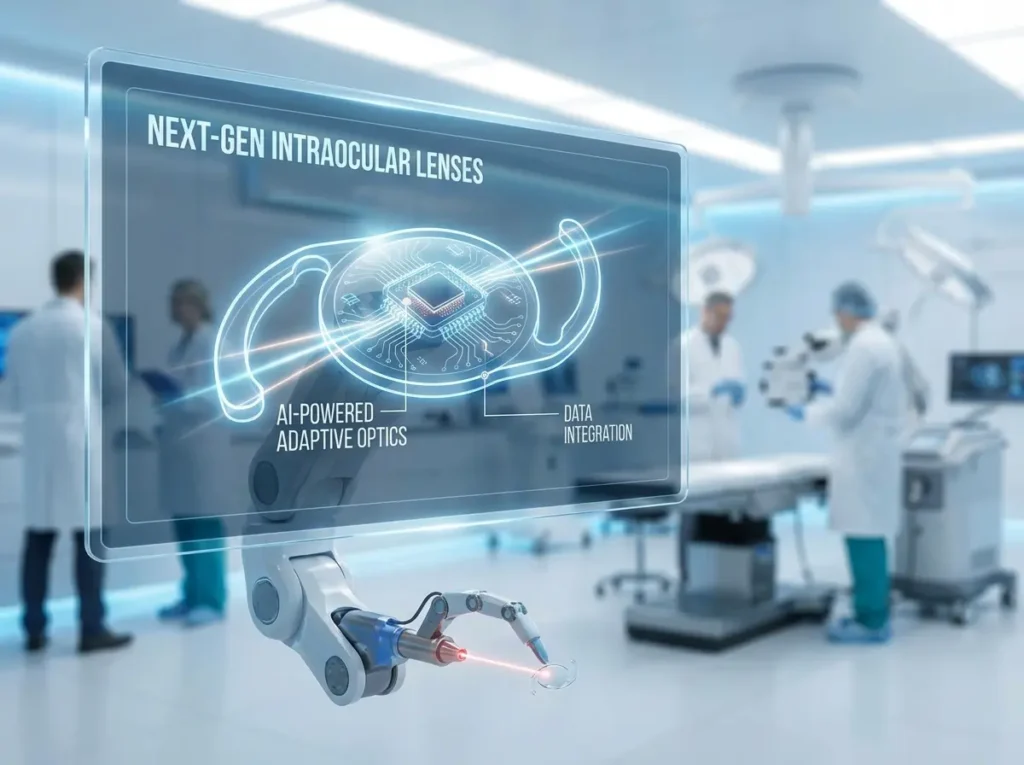
Innovations and breakthroughs in intraocular lenses by 2026
Intraocular lens technology is advancing steadily, and in 2026, innovations that promise to further improve the outcomes of eye surgeries are taking hold. These improvements are expected to make a significant contribution to patients' quality of life. One of the most exciting developments is smart lenses.
These lenses automatically adapt to different lighting conditions and the individual's visual needs. This means that the patient can enjoy clear and comfortable vision in a variety of everyday situations, from reading indoors to enjoying the outdoors.
Advances in materials are also setting the pace. Lighter, biocompatible composites are now being used, which reduce the chances of post-operative complications and improve the adaptation of the implant to the human eye. Research is also underway to develop lenses that can correct more than one refractive problem at the same time, making it easier to treat complex conditions.
- Improved optical technologies that provide greater precision in vision correction.
- Multifocal lenses with enhanced capabilities to cover all distances.
- Customised options to suit the patient's individual visual preferences.
- AI-engineered lenses
- Real halo reduction
- Adaptive optics
- Full personalisation
Dr. Ali Nowrouzi, leading ophthalmologist in Marbella, is at the forefront of these advances. It is dedicated to providing optimal and personalised treatments, ensuring that each patient receives the care they deserve.
Research in this sector continues to be very active, with the aim of achieving even less invasive surgical techniques. These innovations aim not only to improve the efficacy of the procedure, but also to optimise recovery time, offering a smoother and faster patient experience.
Contact: