

Laser refractive surgery is a highly effective procedure carried out by specialists in ophthalmology and has transformed the lives of millions of people around the world. In this article, Dr. Ali Nowrouzi, a specialist in refractive surgery, corneal transplants and premium laser crystalline surgery, explains what this technique consists of and why it may be a suitable option for those seeking a solution to your vision problems.
What does it consist of?
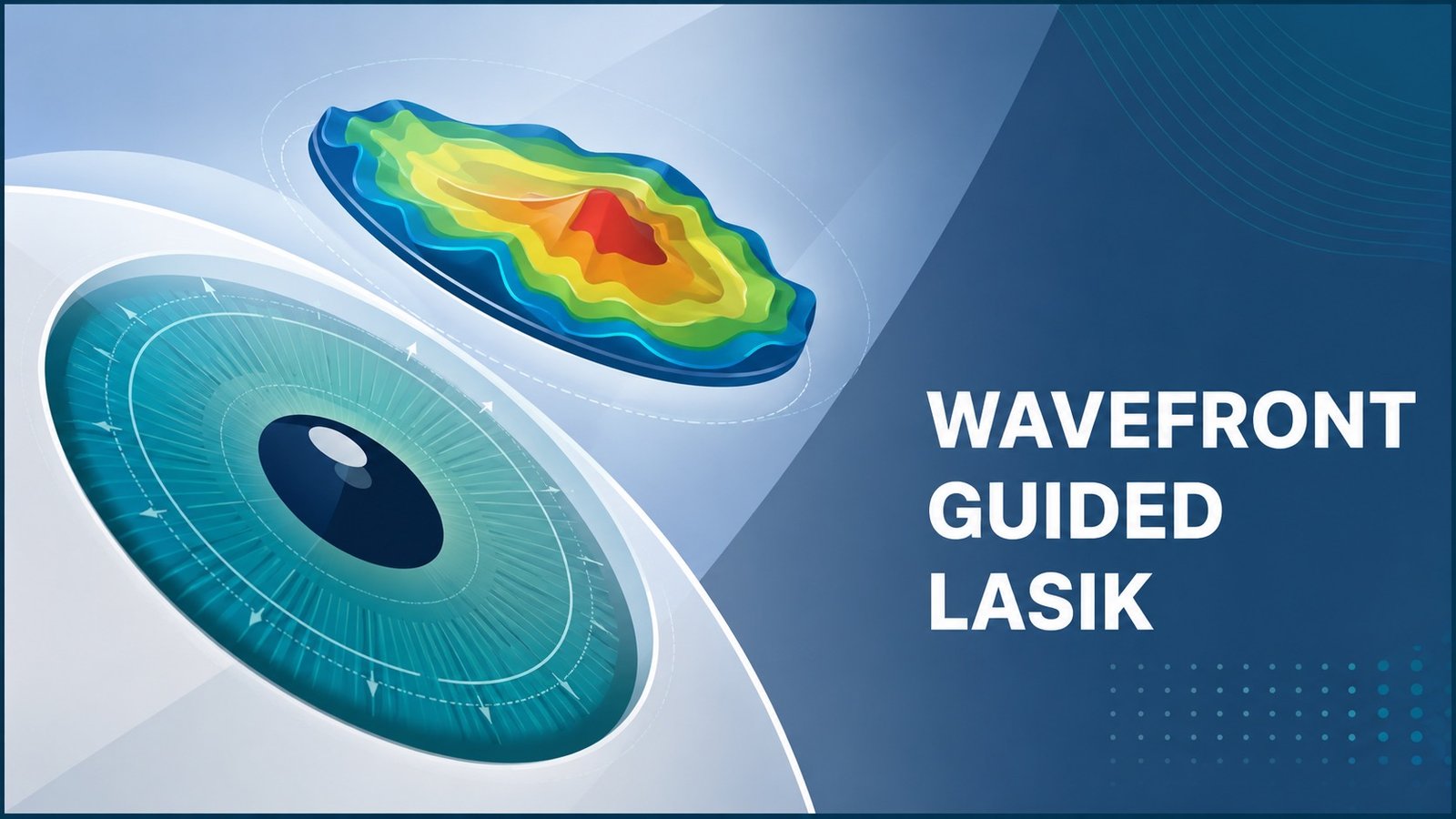
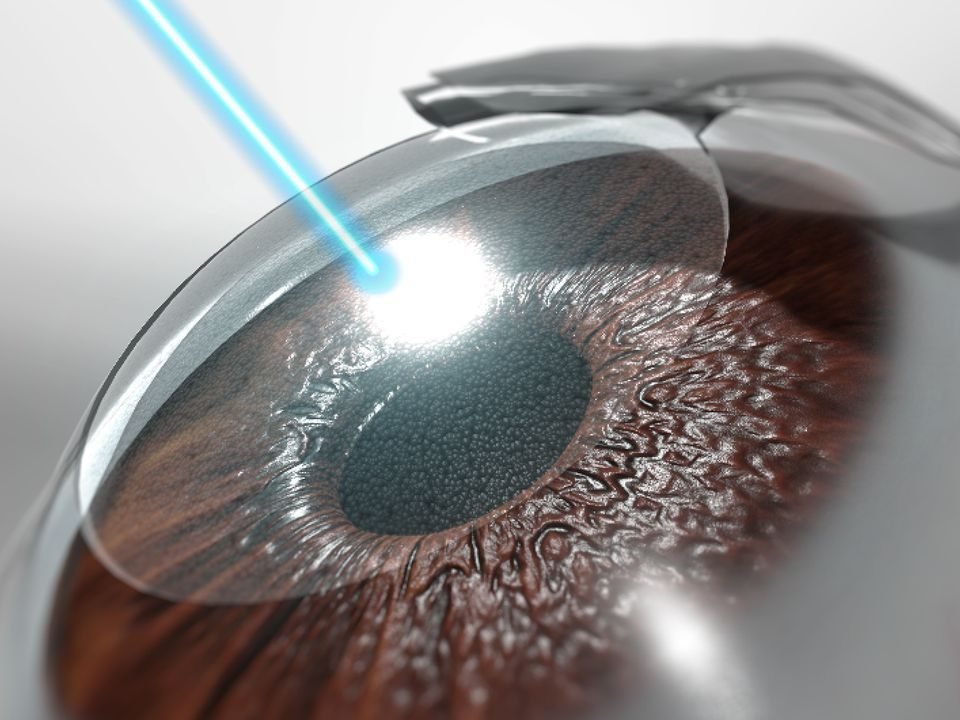
- Laser refractive surgery is a ophthalmological intervention aimed at correcting refractive errors of the eye, such as myopia , farsightedness , astigmatism and, in some cases, astigmatism, presbyopia . These refractive errors occur when the shape of the eye prevents light rays from focusing properly on the retina, resulting in blurred vision. Specifically, the lasik procedure to correct vision problems such as nearsightedness, farsightedness and astigmatism consists of a Delicate incision and elevation of the outermost layer of the eye. . This layer is known as flap and its incision can be performed using two techniques: the microkeratome or the femtosecond laser. On the one hand, the microkeratome is a surgical instrument with blade in the head responsible for making the incision. However, this technique entails a higher risk of complications compared to the next alternative. In contrast, the femtosecond laser , The all-laser procedure creates the flap with extraordinary cleanliness and precision. This allows the surgeon to control the thickness, dimension and position of the flap more precisely. For this reason, Dr. Ali Nowrouzi's clinic opts for this technique, as it provides greater safety for the patient and a higher probability of success in the procedure.
Is it an option available to all patients?
While the laser refractive surgery is very effective, not all patients are candidates for this procedure. Ideal candidates should meet certain requirements requirements which include:
- Age appropriate. Generally, candidates must be over 18 years of age, although this age may vary slightly from case to case.
- Visual stability . Related to the previous point, it is important that the patient's vision has been stabilised for at least one year before surgery is considered.
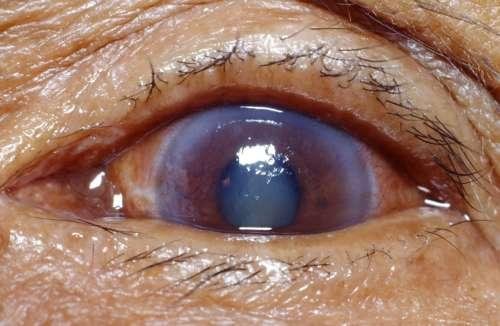
- good eye health . Candidates must have healthy eyes and no major eye problems, such as cataracts or glaucoma.
- Personalised assessment and advice . A thorough evaluation by an experienced ophthalmologist is essential to determine whether surgery is the right option for each patient.
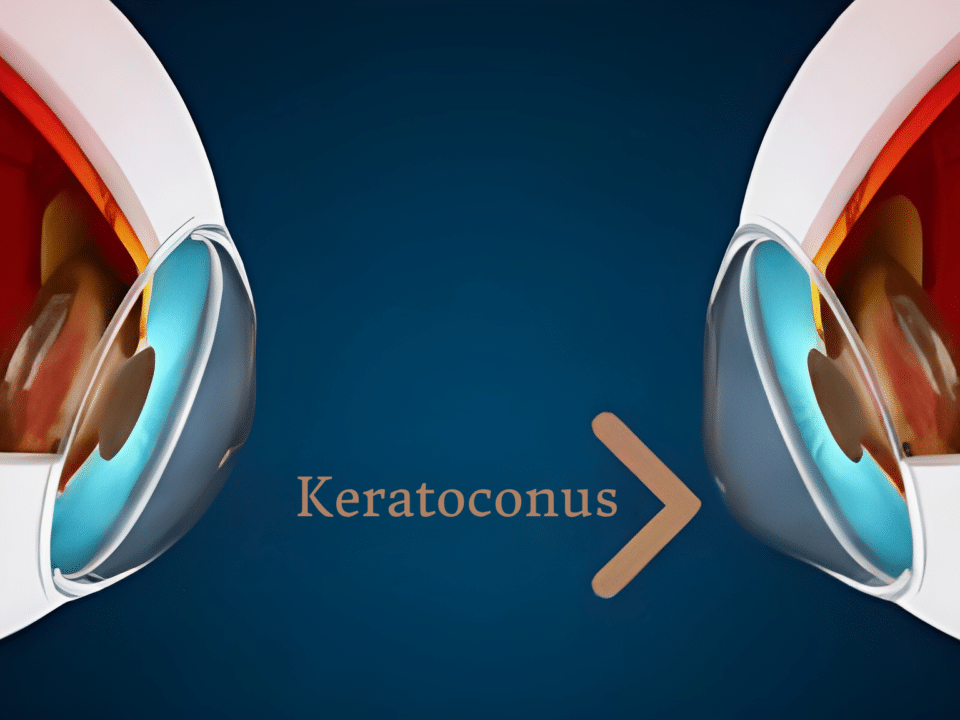
Find out more about all the techniques available on our refractive surgery in Marbella, and find out how the corneal topography determine which technique is safest for your cornea.