

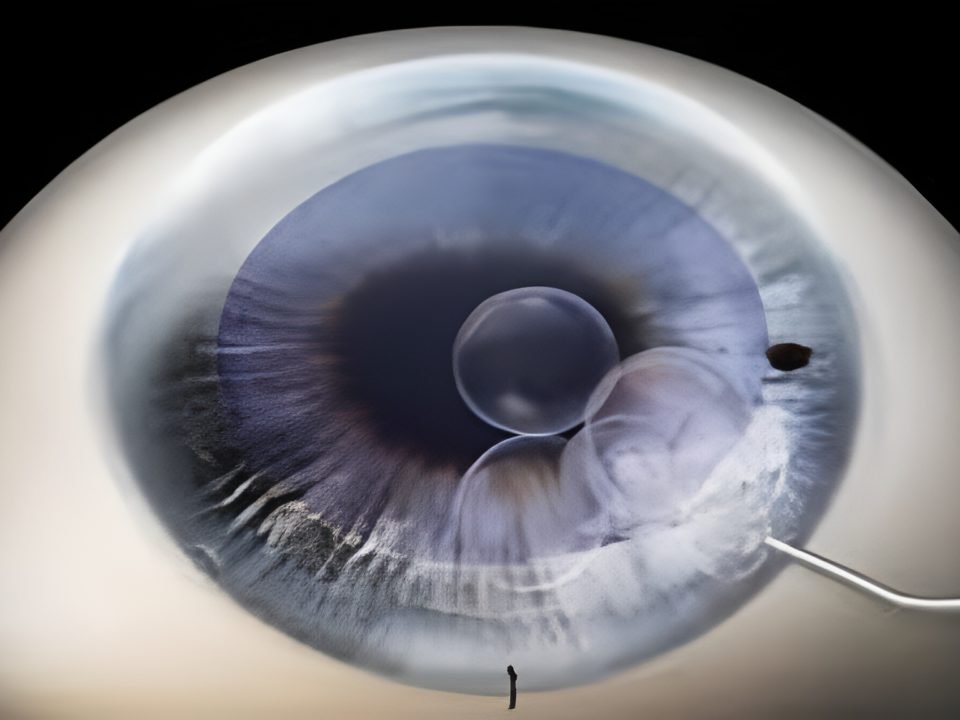


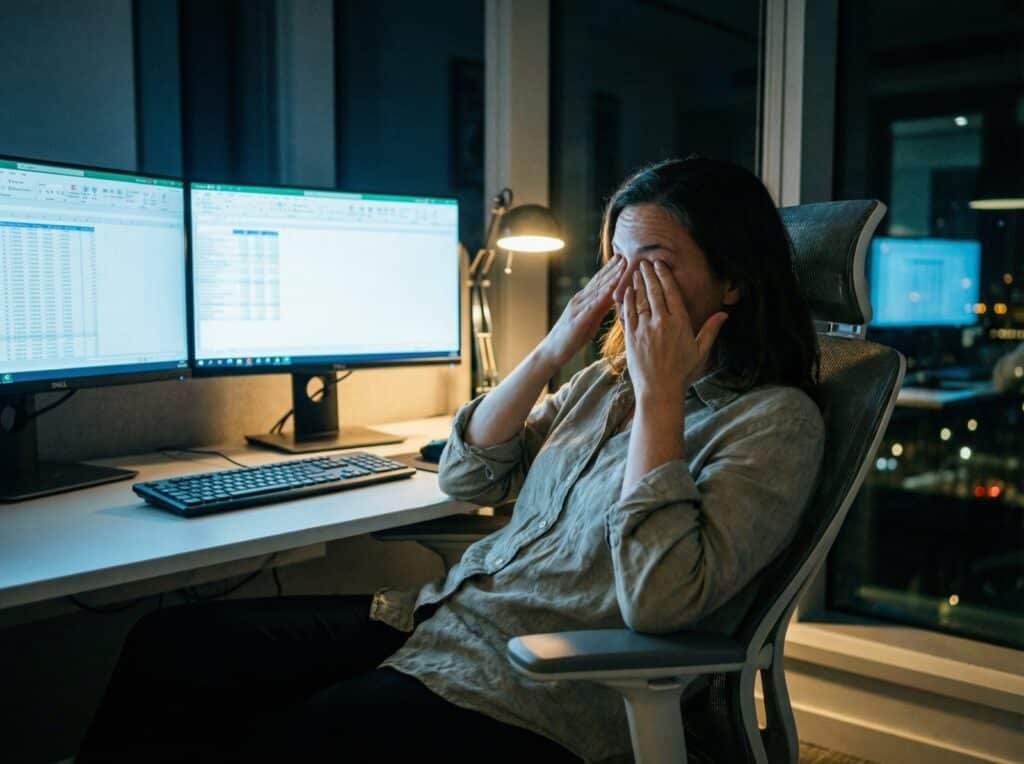
In modern life, the use of screens is almost inevitable. Computers, mobile phones, tablets and televisions are part of our work, social and leisure routine. However, this prolonged exposure can lead to eyestrain, one of the most frequent consultations in ophthalmology today.
Screen fatigue is not a disease in itself, but it is a set of visual and eye complaints that affect quality of life and daily performance. Identifying its causes and knowing the most effective solutions is key to alleviating symptoms and protecting visual health in the long term.
Why do screens cause eyestrain?
The call computer vision syndrome appears as a consequence of several factors acting simultaneously:
1. Accommodation problems and false myopia
When we look at a screen for many hours, the visual system remains focused on a short distance continuously. This forces the ciliary muscle to work relentlessly, which can lead to:
- Accommodative spasm
- Sensation of intermittent blurred vision
- Difficulty in focusing at a distance after prolonged work
- Eye pain or frontal headache
In some cases, this sustained strain can lead to what is known as false myopia, a functional and reversible condition when properly treated.
2. Decreased blinking and dry eyes
When using screens, flickering is reduced by up to 60 %. This has direct consequences on the ocular surface:
- Increased tear evaporation
- Tear film instability
- Irritation, stinging and gritty sensation
- Red, heavy eyes at the end of the day
Evaporative dry eye, related to Meibomian gland dysfunction, is one of the most common causes of screen-related eyestrain.
3. Cumulative eyestrain
Artificial lighting, screen contrast, posture and constant visual stress contribute to chronic eyestrain, which can persist even outside working hours.
Effective solutions for screen eyestrain
Treatment must always be individualised and carried out by a specialist. However, there are highly effective strategies and treatments to reduce this discomfort.
Healthy visual habits
Some basic recommendations include:
- Apply the 20-20-20 ruleevery 20 minutes, look out 20 feet (6 metres) for 20 seconds.
- Adjusting the height and distance of the screen
- Improving the lighting of the environment
- Avoid direct reflections on the screen
- Blinking consciously
These measures help, but in many cases they are not enough when symptoms are already established.
If you notice dryness, itching or blurred vision at the end of the day in front of the computer, don't normalise it. At Dr. Ali Nowrouzi's clinic we carry out a dry eye study to identify the real cause of your discomfort and design a tailor-made treatment.
Ask for an assessment in Marbella and recover your visual comfort.
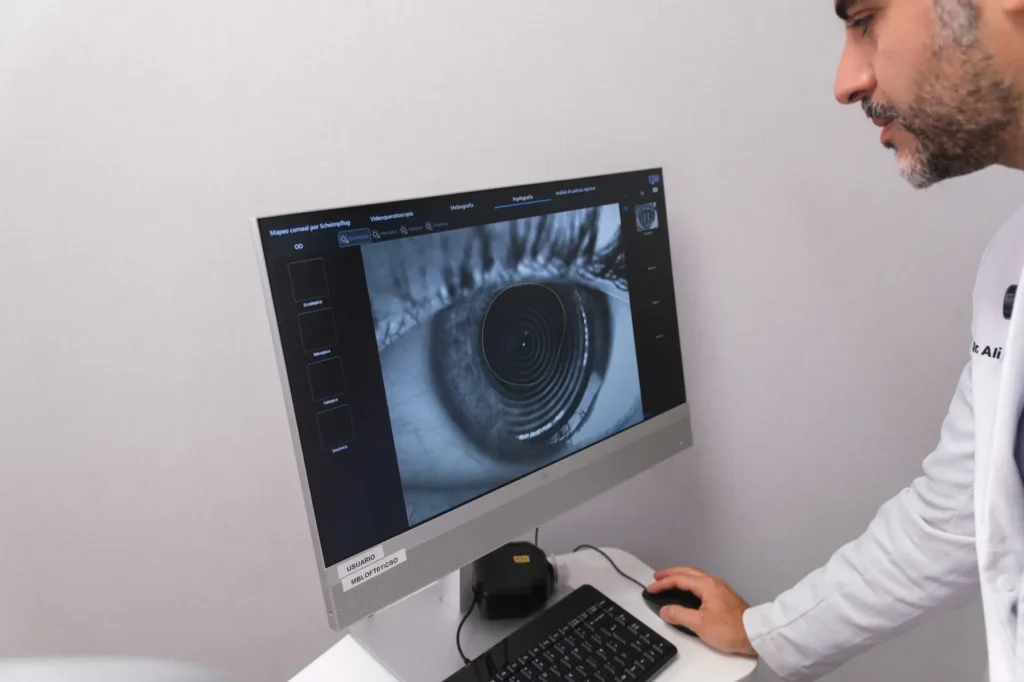
Dry eye treatment: the key role of the IPL laser
One of the most important advances in the treatment of screen-associated eyestrain is the use of the IPL laser (Intense Pulsed Light).
IPL treatment acts directly on the cause of evaporative dry eye, improving the function of the Meibomian glands and stabilising the tear film. Benefits include:
- Reduction of eye inflammation
- Improvement of tear quality
- Decreased dryness and burning sensation
- Increased visual comfort during prolonged screen use
The IPL laser is one of the most effective tools for treating evaporative dry eye and screen-related eyestrain.
In the ocular surface unit of the Dr. Ali Nowrouzi in Marbella we have state-of-the-art technology and personalised protocols. Book your citation and assess whether you are a candidate for this treatment.
How often is IPL recommended?
In patients with intensive screen use and recurrent symptoms, IPL laser treatment is recommended every 6 months as a maintenance measure, especially in demanding work environments.
It is a fast, safe and non-invasive procedure that can make a significant difference to a patient's quality of life.
Vision correction and specialised control
In some cases, an inadequate or non-optimised prescription can worsen symptoms. An assessment by an ophthalmologist specialised in refractive surgery, cornea and crystalline lens allows other factors to be ruled out and personalised solutions to be offered.
A holistic approach to a healthy digital life
Screen fatigue should not be normalised or ignored. Although the use of digital devices is unavoidable, the discomfort is not. A comprehensive approach combining proper visual habits, accurate diagnosis and advanced treatments such as IPL laser can restore visual comfort and prevent long-term complications.
Specialist advice
Dr. Ali Nowrouzi, MD, FICO, FACS, FEBOS-CR
Specialist in refractive, corneal and crystalline lens surgery
“Technology is part of our daily lives, but eye health must be actively protected. Accurate diagnostics and advanced treatments such as IPL lasers make it possible to maintain comfortable vision even in demanding digital environments.

Screen eyestrain is often related to a lack of vision in the eyes. myopia or a astigmatism uncorrected or poorly corrected. Consult Dr. Ali Nowrouzi to see if a definitive laser solution can eliminate your dependence on screens and glasses.