
Waking up with puffy eyes is a common problem that can affect anyone. This condition is usually temporary and not serious, although it can cause discomfort and concern. Causes can range from poor sleep and hormonal changes to allergies or underlying health problems. This article will explore the causes, symptoms and solutions to reduce eye puffiness.
Common causes of puffy eyes upon awakening
Eye swelling upon awakening can be attributed to a number of causes including physiological and common everyday factors. The most common reasons for this condition are described below.
Fluid retention and its impact on eye puffiness
Dehydration and fluid accumulation
Dehydration may seem counterintuitive, but not drinking enough water causes the body to retain fluids as a defence mechanism. This can cause build-up in sensitive areas such as the skin around the eyes, creating a puffy appearance.
Hormonal changes and their relation to oedema
Hormonal fluctuations, particularly during the menstrual cycle, can influence fluid accumulation. This occurs due to the retention caused by hormonal changes, which directly affects the skin around the eyes.
Impaired blood circulation in the eye area
Inefficient blood circulation in the eye area can contribute to oedema. Lack of adequate blood supply to this sensitive area can result in a build-up of fluid, leading to swelling.
Sleeping position and fluid accumulation
The way you sleep has a considerable impact. Sleeping on the side or stomach allows fluids to accumulate around the eye due to gravity, making it easier to develop this problem when waking up.
Lack of sleep and stress as triggers for inflammation
How rest influences the health of your eyes
Insufficient sleep can disrupt hormonal balance and affect eye health. Lack of rest not only decreases the skin's ability to regenerate itself, but can also result in an inflammatory response, enhancing swelling.
Techniques to manage stress and prevent bloating
Stress has a negative effect on overall health and can cause inflammation in the body. Implementing relaxation techniques, such as meditation or yoga, can be beneficial to mitigate this effect and promote restful sleep.
Allergies and inflammatory reactions
Most common allergens causing eye swelling
Allergens, including pollen, dust or certain cosmetics, can trigger reactions that result in swelling. The inflammatory response generated by contact with these allergens causes eye discomfort.
Associated irritation and itching symptoms
When there is a allergic reaction, If the eye is swollen, it is common to experience symptoms such as itching, redness and even excessive tearing. These symptoms often accompany swelling and can contribute to eye discomfort.
Underlying health problems causing swelling
Kidney diseases and fluid retention
Some medical conditions, such as kidney disease, can make it difficult to eliminate fluids from the body. This retention may manifest itself in the form of eye swelling, an indication that medical attention is required.
Hypothyroidism and other hormonal disorders
Hypothyroidism is one of the hormonal disorders that can cause eye puffiness. The condition causes a decrease in thyroid function, which can lead to fluid accumulation around the eyes.
Eye infections: conjunctivitis, blepharitis and styes
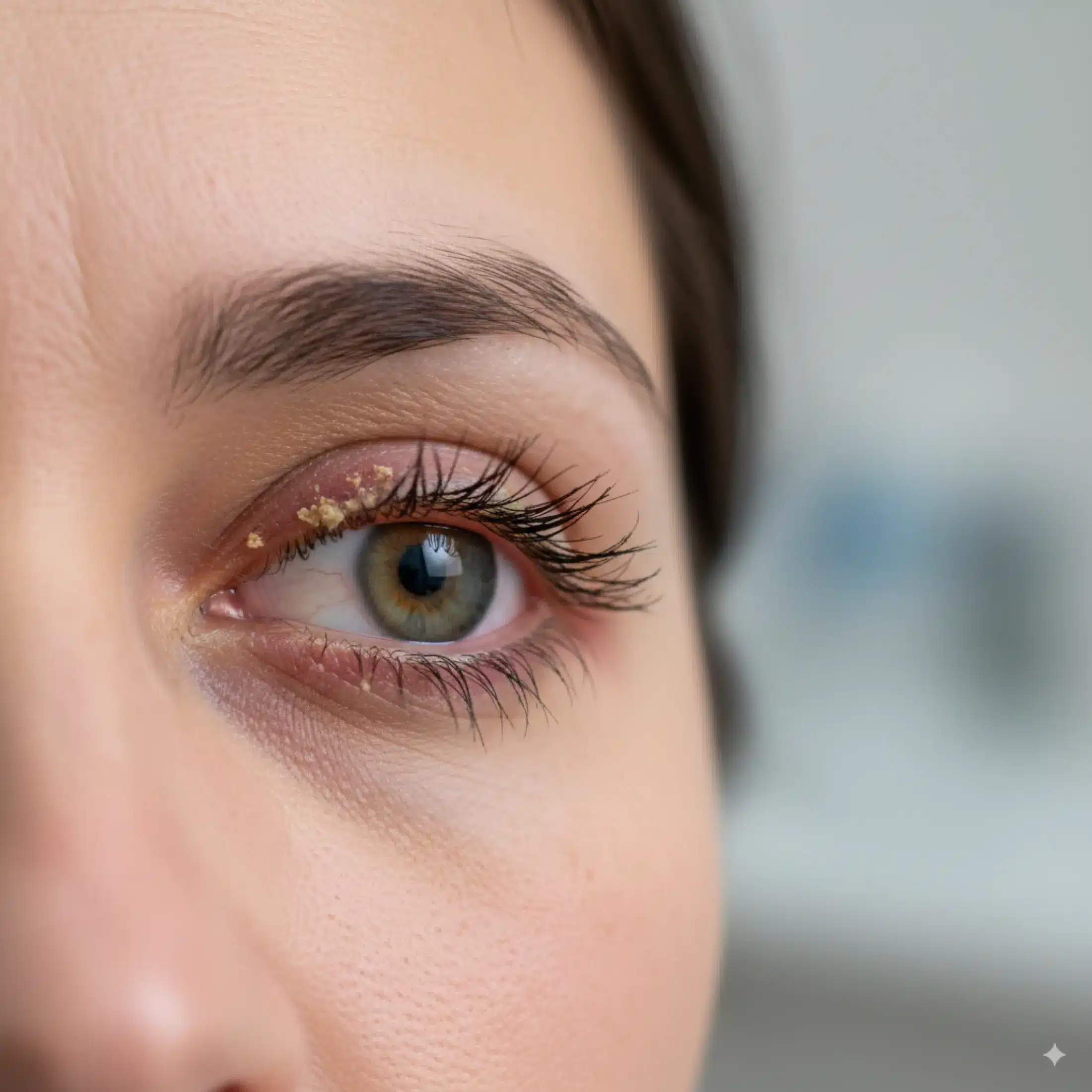
Eye infections such as conjunctivitis, conjunctivitis, conjunctivitis, conjunctivitis and blepharitis or sties can cause inflammation and redness. This type of condition requires diagnosis and treatment to prevent it from worsening.
Less common eyelid and eye tumours and conditions
In rarer cases, the presence of tumours, benign or malignant, in the eye area may be a cause of swelling. Although less common, it is essential to consult a specialist if the swelling persists or is accompanied by other worrying symptoms.
Symptoms accompanying puffy eyes upon awakening
Puffy eyes on waking can bring with them a range of symptoms that affect appearance and sense of well-being. Recognising these is essential in order to address the underlying cause.
Redness and irritation on the skin around the eyes
It is common to see redness in the skin around the eyes, making it look irritated. This condition can be the result of various factors, such as allergies or environmental irritants. The skin in this area is particularly thin and sensitive, so it reacts easily to changes in the environment, causing discomfort and sensitivity.
Sensitivity to light and pain in the eye area
Many people experience increased sensitivity to light after sleeping with swollen eyes. This symptom may be accompanied by discomfort or discomfort in the eye area. Swelling in the area can affect light perception, causing a sensation analogous to a migraine. If the pain intensifies, it may indicate a more serious condition that requires attention.
Excessive tearing and foreign body sensation
When waking up with swollen eyes, it is common to have increased tear production. This may be accompanied by a foreign body sensation, as if something is irritating the eye. These symptoms may be caused by inflammation and irritation of the eye structures, leading to a tearing reflex in an attempt to relieve the discomfort.
Other symptoms requiring medical attention
In some cases, eye swelling may be associated with symptoms that need further evaluation. Some of these include:
- Severe or persistent eye pain.
- Blurred vision or visual disturbances.
- Abnormal eye discharge or discharge from the eye.
- Swelling that does not improve with home measures or recurs frequently.
These symptoms may indicate infection or more serious disorders, and it is important to consult a professional to rule out any complications.
If the swelling appears with pain, discharge, blurred vision or recurs every morning, best not to guess. Make an appointment and we assess it with a full scan to get to the cause, not the patch.
Habits and lifestyle to reduce eye puffiness
Adopting certain habits and lifestyle adjustments can be key to minimising eye puffiness. Here are some practical recommendations in different areas.
Adequate hydration to prevent fluid retention
It is essential to maintain proper hydration to prevent the body from retaining fluids, which can cause swelling in the eyes. Drinking enough water throughout the day helps to maintain the body's water balance. Adequate fluid intake will facilitate the elimination of toxins and prevent water retention in the eyelid area.
Healthy eating and controlled consumption of salt and alcohol
Eating a balanced diet is essential for eye and general health. Limiting salt and alcohol intake can help reduce swelling. Sodium promotes fluid retention, while alcohol can dehydrate. Opting for fresh, nutritious foods will support eye health.

Recommended foods for healthy skin and eyes
- Fruits and vegetables: Antioxidant-rich foods such as blueberries, oranges and spinach.
- Foods rich in omega-3 fatty acids: such as salmon and walnuts, which support eye health.
- Hydration through food: Incorporate watermelon and cucumber, which have a high water content.
What to avoid to minimise inflammation
- Processed foods: They often contain high amounts of salt.
- Saturated fats: Present in fried foods and bakery products.
- Refined sugars: Limiting consumption of sweets and soft drinks is recommended.
Importance of rest and correct sleeping position
Restful sleep is crucial for eye health. Maintaining proper sleep habits has an impact on reducing swelling in the eyes. Insufficient rest can interfere with fluid drainage, aggravating swelling.
Sleeping with the head slightly elevated
Using a higher pillow or sleeping with your head slightly elevated can prevent fluids from accumulating around the eyes during the night. This simple change in sleeping position can be very effective.
Avoid sleeping on your stomach to reduce swelling.
Prone positioning can contribute to fluid accumulation in the eye region. Maintaining a side or back position facilitates better drainage and therefore reduces facial puffiness upon awakening.
Stress management and techniques for better sleep quality
Stress not only affects mental well-being, but can also have a physical impact, including inflammation of the eyes. Adopting relaxation techniques can improve sleep quality and, consequently, eye health.
Specific care to combat puffy eyes when waking up
Specific care can help reduce eye swelling upon awakening. This care focuses on relieving inflammation and improving the appearance of the eye area.
Application of cold compresses to relieve inflammation
Cold compresses are an effective and quick solution to reduce swelling. Applying cold to the affected area activates circulation and reduces swelling.
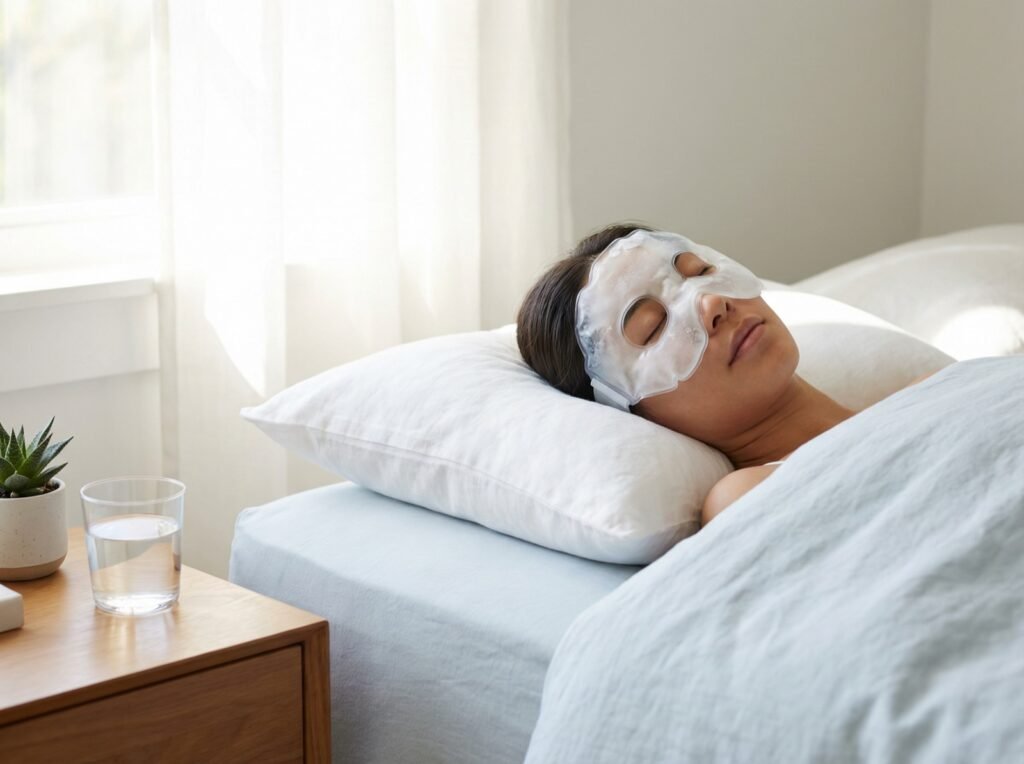
How and when to use cold compresses
It is recommended to use cold compresses in the morning, just after waking up. To do this, a clean cloth should be soaked in cold water or an ice pack wrapped in a cloth should be used. It is placed over closed eyes for about 10 to 15 minutes. It is important not to place ice directly on the skin to avoid burns.
Natural alternatives: cucumber slices and other remedies
The use of cucumber slices is a natural remedy that can be very effective. The anti-inflammatory properties of cucumber help to reduce puffiness. To use this method, cut two cucumber slices and place them over the eyes for 10 to 15 minutes. Another effective remedy is chamomile tea. Applying cold tea bags to the eyes also provides a soothing effect.
Use of skin and eyelid care creams and products
Incorporating the right creams into your personal care routine can boost the health of the skin around your eyes. Choosing products specifically designed for this area is essential.
Ingredients that help reduce swelling
Creams containing ingredients such as hyaluronic acid, caffeine or retinol are ideal for combating puffiness. These ingredients promote hydration and stimulate circulation in the thin skin of the eyelids.
Precautions when choosing cosmetic products
It is crucial to read the label of any product before use. Avoid those containing irritating fragrances or ingredients that may cause allergic reactions. Always test a small amount on the skin before applying to the eye area.
Lymphatic massage to reduce fluid accumulation
Gentle lymphatic massage of the eye area is an effective technique to stimulate fluid drainage. It helps to improve circulation and reduce swelling.
Simple techniques to do at home
The fingertips are used to perform a massage. Gentle, circular movements are made around the eyes, from the inner corner to the outer corner. It is important not to apply too much pressure and to do it for a few minutes every day.
Benefits for facial health and appearance
These massages not only help reduce puffiness, but can also reduce dark circles under the eyes and improve the overall appearance of the face. Over time, you may notice firmer, brighter skin around the eyes.
Medical options and cosmetic treatments for persistent puffy eyes
When eye swelling becomes a recurring problem, it is important to consider medical and cosmetic options to help resolve the condition effectively.
Medical diagnosis to identify underlying causes
The first step is to make a proper diagnosis to understand why the eye swelling persists. A specialised doctor will examine the patient's eye and general health, identifying any conditions that may be contributing to the problem. This may include blood tests or studies related to kidney and thyroid function.
Medical treatments for eye and hormone problems
Once the causes have been determined, different medical treatments can be considered. If the swelling is associated with infections, inflammation or hormonal imbalances, these approaches can be followed:
Medication and therapies for infections and inflammations
If eye infections such as conjunctivitis or blepharitis are present, antibiotics or anti-inflammatory drugs may be used. These treatments can relieve inflammation and reduce swelling. Antihistamines may also be used if allergies are the cause.
Monitoring and treatment of kidney and thyroid diseases
For those with kidney disease or hypothyroidism, a treatment plan should be established to control fluid retention and regulate hormones. This will help to improve not only eye health, but the overall wellbeing of the patient.
Aesthetic procedures to improve appearance
When medical treatments are not enough, there are aesthetic options that can offer lasting solutions. Cosmetic procedures aim to reduce the appearance of eye puffiness and improve facial aesthetics.
Laser and radiofrequency to improve capillary circulation
Laser and radiofrequency treatments help stimulate blood circulation in the eye area. These procedures are minimally invasive and can be effective in reducing inflammation and revitalising the skin around the eyes.
IPL treatment and Low Light Therapy mask for eye inflammation and blepharitis
In cases of recurrent ocular swelling associated with blepharitis, inflammatory dry eye or Meibomian gland dysfunction, there are advanced medical treatments that go beyond home care. Intense Pulsed Light (IPL) applied to the periocular area improves chronic inflammation, reduces bacterial load, stabilises the tear film and promotes the proper functioning of the sebaceous glands of the eyelid.
Combined with the Low Light Therapy mask (photobiomodulation), this approach boosts lymphatic drainage, reduces morning puffiness, improves skin quality and stimulates the regeneration of subcutaneous collagen, also providing an aesthetic benefit to the eye contour. It is a non-invasive, safe treatment that is especially indicated when ocular inflammation and the tired appearance of the eyes have a chronic inflammatory origin.
Blepharoplasty and other surgeries to remove excess skin and fat
The blepharoplasty is a surgical procedure to remove excess skin and fat from the eyelids. This procedure can significantly improve the appearance of the eyes, achieving a fresher and rejuvenated look. It is important to consult a specialised doctor to assess whether this option is appropriate.
When the bags or excess skin no longer responds to habits and care, there are real medical options. If you want an honest assessment, check out the eyelid surgery and tell you which result is reasonable in your case.
When to see a specialist to avoid complications
Persistent eye swelling or the appearance of new symptoms should be warning signs to seek medical attention. A specialist will be able to determine the exact cause and recommend the most effective treatment. Acting quickly is essential to avoid major complications that can affect long-term eye health.
If the problem persists, a dry eye study can identify the exact cause and guide treatment. In some cases, morning eyelid swelling is associated with a alteration of the eyelid requiring surgical assessment.