
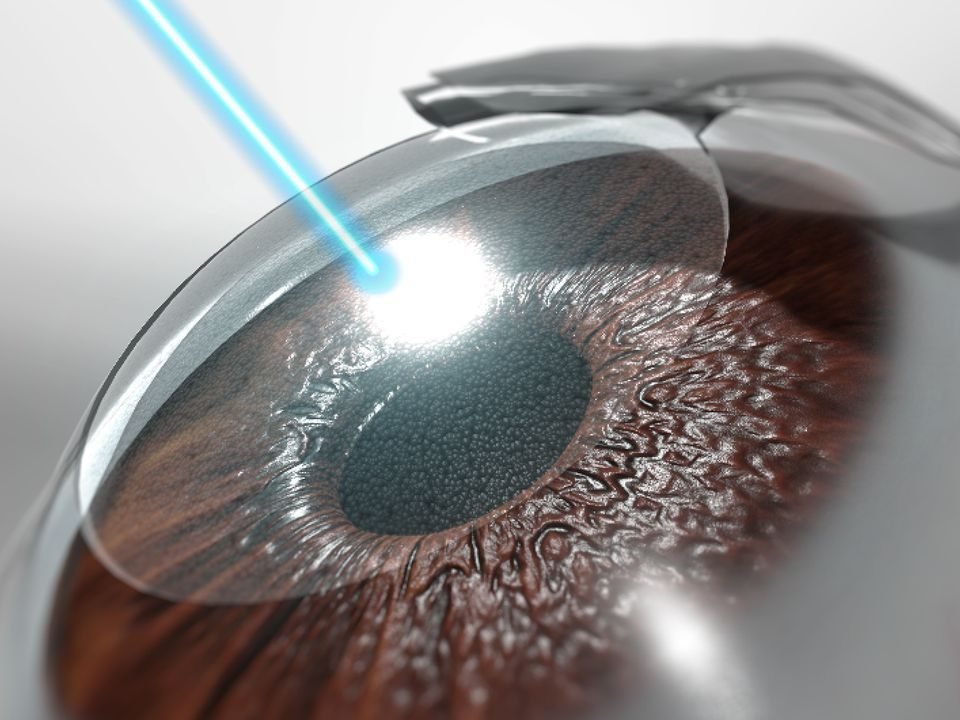

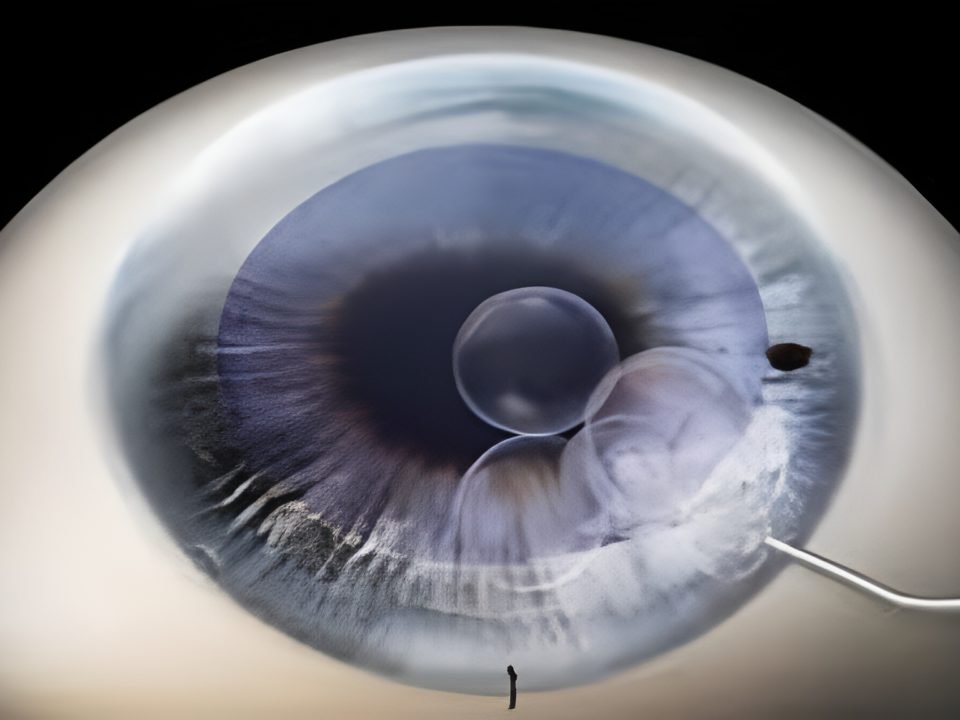


The refractive surgery (such as LASIK, lenticule extraction or PRK), refractive lensectomy and cataract surgery are safe procedures with very high visual success rates. However, one of the most frequent - and at the same time most under-diagnosed - side effects is post-surgical dry eye.
Although in most cases it is temporary, it can significantly affect visual quality and comfort if not correctly diagnosed and treated.
In this article we explain why it occurs, how to prevent it, the importance of advanced preoperative assessment, and the modern treatments available to manage it effectively.
Why can dry eye occur after surgery?
Post-surgical dry eye may be due to different mechanisms:
1. Temporary impairment of corneal nerve endings
Both corneal laser and lens incision can affect the sensitivity of the cornea. This reduces basal tear production and alters the blink reflex.
2. Inflammation of the ocular surface
All surgery produces a certain degree of inflammation, which can destabilise the tear film.
3. Meibomian gland dysfunction
The glands that produce the lipid layer of tears may already be altered before surgery, but if left undiagnosed and untreated, surgery can aggravate the problem.
4. Individual factors
Age, prolonged screen use, hormonal factors or a history of subclinical dry eye increase the risk.
The key to avoiding problems: advanced pre-operative diagnosis
We now know that more than 50 % of candidates for refractive or lens surgery have signs of dry eye prior to surgery, although many are not aware of it.
Therefore, a complete ocular surface evaluation is essential to avoid postoperative complications.
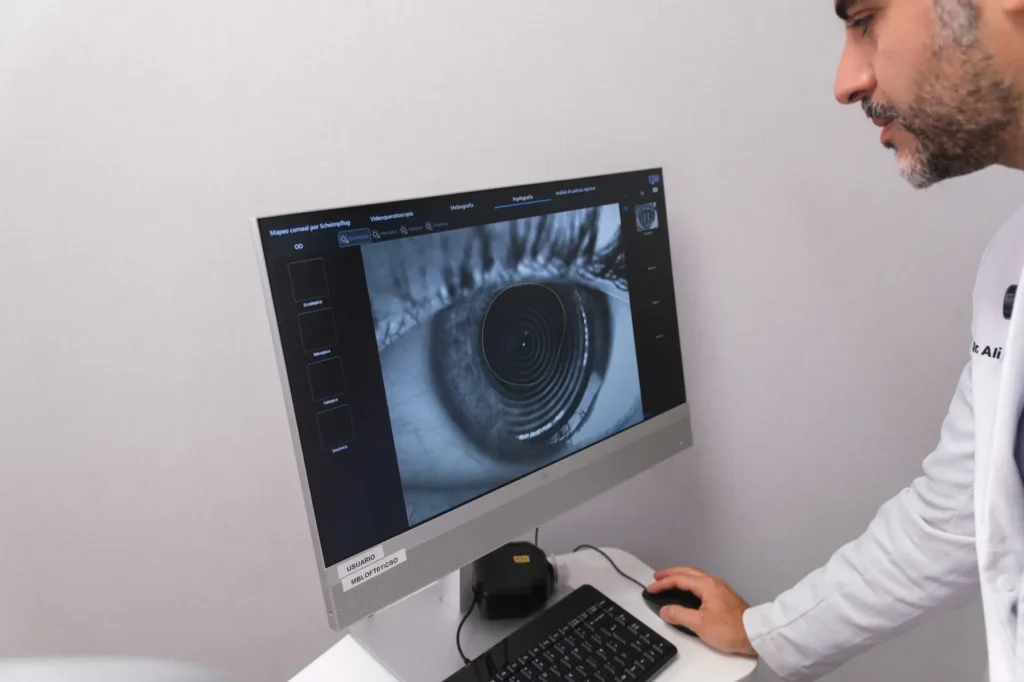
The most important advanced tests include:
● Comprehensive dry eye study
Includes analysis of tear break-up time (TBUT), tear osmolarity, quantification of inflammation and assessment of tear film instability.
● Meibography or meibomiography
It allows direct visualisation of the Meibomian glands by infrared imaging.
It detects glandular leakage, obstruction or atrophy that could worsen after surgery if left untreated.
● TearLab
It measures tear osmolarity, one of the most sensitive markers for detecting dry eye even in early stages.
Accurate diagnosis prior to surgery allows for preventative treatment and ensures that the patient arrives at the operating theatre with an optimal ocular surface, which improves the final visual quality and reduces the likelihood of prolonged dry eye.
Choosing the right surgical technique reduces risks
Not all surgical techniques have the same impact on the ocular surface.
To minimise the risk of dry eye, it is essential to choose advanced and minimally invasive methods, such as:
● Femtosecond laser surgery
Whether for refractive surgery (Femtolasik, Smile/Lenticule Extraction) or for cataract or lens surgery, the femtosecond allows:
- greater precision
- smaller incisions
- minor alteration of corneal sensitivity
- faster recovery
Compared to older techniques such as manual microkeratome or manual lens surgery, femtosecond has been shown to reduce the risk and duration of dry eye.
● Techniques that preserve biomechanics and nerve endings
For example, Lenticule Extraction (SMILE) tends to produce less dry eye than traditional LASIK.
The choice of technique must be individualised, based on diagnostic tests and the patient's ocular structure.
Importance of having surgery by a refractive surgery specialist
Post-surgical dry eye is not just an ocular surface problem: it is a marker of the quality of the surgical process as a whole.
Therefore, these surgeries should be performed by refractive surgery specialists with advanced and international training, such as:
● FEBOS-CR (European Board of Ophthalmology Subspecialty in Refractive Surgery)
European recognition that certifies a high level of theoretical, practical and ethical training in refractive surgery.
● FWCRS (Fellow of the World College of Refractive Surgery and Visual Sciences)
International distinction that accredits excellence in laser surgery, phakic lenses, refractive lensectomy and management of complications.
A general ophthalmologist often does not have the surgical or diagnostic training to adequately address these complex cases, especially in patients with pre-existing dry eye or high risk.
Post-surgical dry eye treatment: modern, effective and customised
If dry eye occurs after surgery, there are advanced treatments that allow for a faster and more stable recovery:
1. IPL (Intense Pulsed Light)
Reduces inflammation, improves meibomian gland function and stabilises tears. It is especially useful in patients with blepharitis or glandular dysfunction.
2. Quantum Molecular Resonance (Quantum Molecular Resonance)
Novel technology that improves tissue regeneration and reduces inflammation, accelerating recovery of the ocular surface.
3. PRP (Platelet Rich Plasma)
It uses the patient's own regenerative properties to stimulate repair of the ocular surface.
4. Amniotic membrane
Provides anti-inflammatory and regenerative factors; useful in moderate to severe cases.
5. Immunomodulatory therapy
Medications such as cyclosporine, tacrolimus or other biological modulators help to control chronic inflammation and improve tear production.
6. Supplementation and advanced lubrication
Lipid drops, highly concentrated hyaluronates or autologous serum, depending on the needs of each patient.
Conclusion
Post-surgical dry eye is preventable and treatable, but requires a modern, specialised approach.
The final visual success depends on:
- advanced preoperative diagnosis,
- the choice of state-of-the-art surgical techniques,
- and the experience of an internationally trained refractive surgeon.
With proper assessment and modern treatments such as IPL, molecular resonance imaging, PRP and immunomodulators, the vast majority of patients regain excellent eye comfort and stable vision.
If you are experiencing dry eye symptoms after your operation, the comprehensive dry eye study allows us to quantify severity and personalise treatment. You can also find more information about the laser myopia operation in Marbella.